

Thanksgiving Stuffing: A Celebration of Flavor and Tradition
Thanksgiving Stuffing. Just the words themselves evoke images of warmth, family gatherings, and the comforting aroma of herbs and spices filling a home. This isn’t just any side dish; it’s the heart of the Thanksgiving feast for many, a culinary cornerstone passed down through generations, a testament to the bounty of the harvest.
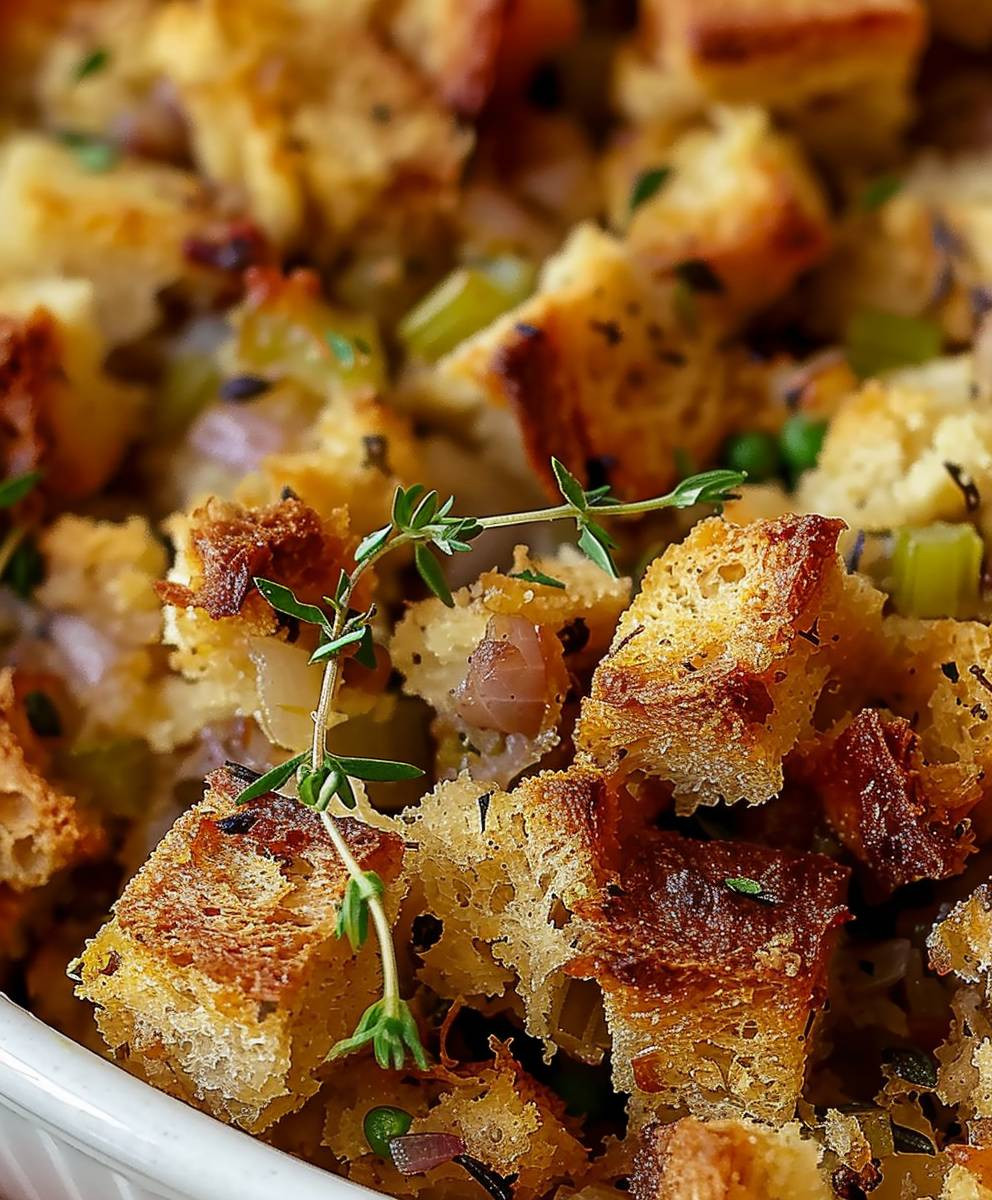
I’ve always loved Thanksgiving Stuffing, not just for its delicious taste but for the memories it conjures. The slightly crispy exterior giving way to a soft, flavorful interior, the perfect blend of savory and sweet – it’s a symphony of textures and tastes that’s hard to resist. My own family recipe, passed down from my grandmother, is a cherished tradition, and I’m thrilled to share it with you today.
A Bit of History
While the exact origins are debated, stuffing’s history is deeply intertwined with the harvest celebrations of various cultures. Early versions likely involved simpler ingredients, reflecting the available seasonal produce. Over time, it evolved into the complex and flavorful dish we know and love today, a reflection of culinary innovation and cultural exchange.
What makes Thanksgiving Stuffing so beloved? It’s the versatility, for one. From classic bread-based recipes to wild rice variations, the possibilities are endless. It’s also incredibly adaptable to dietary needs and preferences, easily modified to be vegetarian, vegan, or gluten-free. But ultimately, it’s the sheer deliciousness that keeps us coming back for more year after year. The perfect balance of herbs, the satisfying chew of the bread, the comforting warmth – it’s the quintessential Thanksgiving side dish.
So, gather your ingredients, and let’s embark on a culinary journey to create the most unforgettable Thanksgiving Stuffing you’ve ever tasted! I’m confident that this recipe will become a new family favorite, adding its own special chapter to your Thanksgiving traditions.

Ingredients:
- 1 large onion, finely chopped
- 2 celery stalks, finely chopped
- 1 cup cremini mushrooms, finely chopped
- 1/2 cup dried cranberries
- 1/2 cup chopped walnuts or pecans
- 1 teaspoon fresh sage, chopped (or 1/2 teaspoon dried sage)
- 1 teaspoon fresh thyme, chopped (or 1/2 teaspoon dried thyme)
- 1/2 teaspoon poultry seasoning
- 1/4 teaspoon black pepper
- 1/2 teaspoon salt
- 1 tablespoon olive oil
- 12 cups cubed bread (day-old bread works best, crusts removed)
- 4 cups chicken broth (low sodium preferred)
- 1/2 cup chicken stock (optional, for extra moisture)
- 2 large eggs, lightly beaten
- 1/4 cup butter, melted
Preparing the Vegetables and Aromatics
- I always start by prepping my vegetables. Finely chop the onion, celery, and mushrooms. Make sure they’re all roughly the same size for even cooking. This step takes a little time, but it’s worth it for a beautifully textured stuffing.
- In a large skillet, heat the olive oil over medium heat. Add the chopped onion and celery and cook until softened, about 5-7 minutes. Stir occasionally to prevent burning.
- Add the mushrooms to the skillet and cook for another 5-7 minutes, or until they have released their moisture and are nicely browned. I like to get a little color on the mushrooms for a deeper flavor.
- Stir in the dried cranberries, walnuts (or pecans), sage, thyme, poultry seasoning, salt, and pepper. Cook for another minute or two, just to warm the spices and cranberries through. This step builds the base of amazing flavor for our stuffing.
- Remove the skillet from the heat and set aside to cool slightly. This prevents the eggs from cooking prematurely when we add them later.
Preparing the Bread
- While the vegetables are cooking, I like to prepare the bread. I use day-old bread because it’s less likely to become soggy. If you’re using fresh bread, you can lightly toast the cubes in the oven to dry them out a bit.
- Remove the crusts from the bread and cube it into roughly 1-inch pieces. The size of the cubes is up to you, but I find 1-inch cubes work well for a good balance of texture and absorption.
- Important Note: Don’t be tempted to use too much fresh bread. Day-old bread is key for a stuffing that holds its shape and doesn’t become mushy.
Combining the Ingredients
- In a large bowl, combine the cooled vegetable mixture and the cubed bread. Gently toss to evenly distribute the vegetables and seasonings throughout the bread.
- In a separate bowl, whisk together the lightly beaten eggs and melted butter. This helps bind the stuffing together and adds richness.
- Pour the egg and butter mixture over the bread and vegetable mixture. Gently toss again to ensure everything is well coated. Be careful not to overmix, as this can make the stuffing too dense.
- Gradually add the chicken broth, a little at a time, while gently tossing the mixture. You want the bread to absorb the broth, but not become completely saturated. The amount of broth you need might vary slightly depending on the type of bread you use. If it seems too dry, add a little more broth; if it seems too wet, hold back a bit.
- If you want an extra moist stuffing, you can add the chicken stock at this stage. It adds another layer of flavor and moisture.
Cooking the Stuffing
- Preheat your oven to 350°F (175°C).
- Transfer the stuffing mixture to a greased 9×13 inch baking dish, or individual ramekins. If you’re stuffing a turkey, you can fill the cavity loosely, leaving some space for expansion.
- Bake for 45-60 minutes, or until the stuffing is golden brown and heated through. If you’re stuffing a turkey, you’ll need to adjust the baking time accordingly, ensuring the stuffing reaches an internal temperature of 165°F (74°C).
- Tip: For a crispier top, you can broil the stuffing for the last few minutes of cooking, but watch it carefully to prevent burning.
- Let the stuffing rest for about 10 minutes before serving. This allows the flavors to meld and the stuffing to set slightly.
Serving Suggestions
- Serve your Thanksgiving stuffing alongside your roasted turkey, mashed potatoes, and gravy. It’s the perfect complement to a classic Thanksgiving meal.
- Leftover stuffing can be stored in an airtight container in the refrigerator for up to 3 days. It’s also delicious reheated in the microwave or oven.
Conclusion:
So there you have it! My recipe for Thanksgiving Stuffing. I truly believe this recipe is a must-try for your next Thanksgiving feast (or any time you crave that comforting, savory goodness!). Why? Because it’s not just stuffing; it’s an experience. It’s the perfect blend of crispy edges and fluffy interior, bursting with the aromatic flavors of sage, thyme, and perfectly roasted vegetables. The addition of the homemade sausage adds a depth of flavor that elevates this classic dish to a whole new level. It’s the kind of stuffing that will have your guests asking for seconds, and maybe even thirds!
This Thanksgiving Stuffing recipe is special because it’s incredibly versatile. You can easily adapt it to your own preferences and dietary needs. For example, if you’re a vegetarian, simply omit the sausage and add extra mushrooms or chestnuts for a hearty and flavorful alternative. Love cranberries? Stir in a cup of fresh or dried cranberries during the last 15 minutes of baking for a delightful tartness that complements the savory flavors beautifully. Prefer a spicier kick? Add a pinch of cayenne pepper or a dash of your favorite hot sauce. The possibilities are truly endless!
I’ve found that serving this Thanksgiving Stuffing alongside a juicy roast turkey is the ultimate pairing, but it’s equally delicious with other roasted meats like chicken or pork. It also makes a fantastic side dish for a holiday brunch or even a cozy weeknight dinner. Imagine it nestled alongside some creamy mashed potatoes, a vibrant green bean casserole, and of course, your favorite gravy. The combination of textures and flavors is simply divine!
Beyond the traditional Thanksgiving table, this stuffing can be repurposed in so many creative ways. Try it as a filling for baked apples or squash for a unique twist on a classic dish. You can even use leftover stuffing to create delicious stuffing-stuffed meatballs or add it to your favorite soup for an extra layer of flavor and texture. The possibilities are truly endless!
Serving Suggestions:
- Serve alongside roasted turkey, chicken, or pork.
- Pair with mashed potatoes, gravy, and your favorite Thanksgiving vegetables.
- Use as a filling for baked apples or squash.
- Add to soups or stews for extra flavor and texture.
- Create stuffing-stuffed meatballs for a unique appetizer.
Variations to Try:
- Vegetarian: Omit sausage and add extra vegetables like mushrooms, chestnuts, or zucchini.
- Cranberry: Add a cup of fresh or dried cranberries during the last 15 minutes of baking.
- Spicy: Add a pinch of cayenne pepper or a dash of hot sauce.
- Wild Rice: Substitute some of the bread with wild rice for added texture and nutty flavor.
I really hope you give this Thanksgiving Stuffing recipe a try. It’s a recipe that I’ve perfected over the years, and I’m so excited to share it with you. Let me know in the comments how it turns out! I’d love to hear about your experience and any variations you create. Don’t forget to share your photos on social media using #ThanksgivingStuffingRecipe – I can’t wait to see your culinary creations!
Happy cooking, and happy Thanksgiving!
Thanksgiving Stuffing: The Ultimate Guide to Delicious Side Dishes
Flavorful and moist Thanksgiving stuffing with day-old bread, herbs, cranberries, and nuts.
Ingredients
Instructions
Recipe Notes
- Day-old bread is crucial for preventing a soggy stuffing.
- Adjust broth amount as needed; bread should be moist but not soupy.
- For a turkey, adjust baking time to ensure stuffing reaches 165°F (74°C).
- Leftovers can be stored in the refrigerator for up to 3 days.


Leave a Comment