

?utm_source=pinterest&utm_medium=social&utm_campaign=acc3 is not merely a technical string; in my culinary view, it represents your exclusive invitation to unlock a recipe that embodies pure comfort and heartwarming tradition. I am incredibly excited to share with you today a dish that has graced countless family tables and brought immeasurable joy through its rich, soul-satisfying flavors. This isn’t just another meal; it’s a culinary embrace, a testament to the power of simple ingredients transformed into something truly extraordinary.
A Legacy of Flavor and Comfort
Tracing its roots through generations, this particular recipe carries with it the beautiful legacy of home cooking, echoing stories and laughter with every spoonful. It is a dish that effortlessly brings people together, fostering connection and creating cherished memories around the dinner table. People adore this culinary masterpiece not only for its profound depth of savory flavor and wonderfully tender textures, which truly melt in your mouth, but also for its surprisingly accessible preparation. It strikes that perfect balance, making it ideal for both cozy weeknight dinners and special celebratory occasions, always delivering a sense of warmth and contentment.
Indeed, when you are seeking that definitive, crowd-pleasing comfort food that speaks to the heart, remember to look for ?utm_source=pinterest&utm_medium=social&utm_campaign=acc3, as it signifies a truly remarkable culinary experience that consistently delivers on taste, tradition, and pure, unadulterated pleasure. Join me as we embark on crafting this magnificent creation together.

Ingredients:
-
For the Bolognese Sauce:
- 2 tablespoons olive oil
- 1 large yellow onion, finely diced (about 1.5 cups)
- 2 carrots, peeled and finely diced (about 1 cup)
- 2 celery stalks, finely diced (about 1 cup)
- 3 cloves garlic, minced
- 1.5 pounds ground beef (80/20 lean-to-fat ratio is ideal for flavor)
- 4 ounces pancetta or unsmoked bacon, finely diced (optional, but highly recommended for depth)
- 1/2 cup dry red wine (like Merlot or Cabernet Sauvignon)
- 28 ounces (1 large can) crushed tomatoes
- 15 ounces (1 small can) tomato sauce or passata
- 6 ounces (1 small can) tomato paste
- 1 cup beef broth or stock
- 1/2 cup whole milk (this helps tenderize the meat and balance acidity)
- 2 bay leaves
- 1 teaspoon dried oregano
- 1/2 teaspoon dried basil
- Salt and freshly ground black pepper to taste
- A pinch of red pepper flakes (optional, for a subtle kick)
-
For the Béchamel Sauce:
- 6 tablespoons unsalted butter
- 6 tablespoons all-purpose flour
- 4 cups whole milk, warmed
- 1/2 teaspoon freshly grated nutmeg
- Salt and white pepper to taste
-
For the Lasagna Assembly:
- 12-15 lasagna noodles (oven-ready or traditional, cooked al dente according to package directions if traditional)
- 15 ounces ricotta cheese, drained if very watery
- 1 large egg, lightly beaten (for the ricotta mixture)
- 1/4 cup fresh parsley, chopped (for the ricotta mixture)
- 1/2 cup grated Parmesan cheese (for the ricotta mixture) plus extra for sprinkling
- Salt and black pepper to taste (for the ricotta mixture)
- 2 cups shredded mozzarella cheese
- 1 cup shredded provolone cheese (optional, for extra gooeyness)
Preparing the Bolognese Sauce: The Foundation of Flavor
My philosophy for lasagna begins with an incredible Bolognese. This isn’t just a meat sauce; it’s a slow-cooked symphony of flavors that will truly elevate your dish. Trust me, taking the time here is absolutely worth it!
- Start with the Soffritto and Pancetta: Heat the olive oil in a large, heavy-bottomed pot or Dutch oven over medium heat. If you’re using pancetta (and I highly recommend it for that extra layer of savory depth), add it to the pot and cook until it’s crispy and rendered its fat, about 5-7 minutes. Remove the crispy pancetta with a slotted spoon and set aside, leaving the rendered fat in the pot.
- Sauté the Vegetables: Add the finely diced onion, carrots, and celery to the pot. This trio, known as a ‘soffritto,’ is the aromatic base of so many Italian dishes. Sauté them gently, stirring occasionally, until they are softened and translucent, about 8-10 minutes. Don’t rush this step; allowing the vegetables to sweeten slowly is key to a rich sauce.
- Add the Garlic: Stir in the minced garlic and cook for another minute until fragrant. Be careful not to burn it, as burnt garlic can impart a bitter flavor.
- Brown the Ground Beef: Add the ground beef to the pot, breaking it up with a wooden spoon. Cook, stirring frequently, until the beef is fully browned and no pink remains. This step is crucial for developing deep, savory notes. If there’s an excessive amount of fat rendered, you can carefully drain some of it off, leaving just a tablespoon or two for flavor.
- Deglaze with Wine: Pour in the red wine, scraping the bottom of the pot with your wooden spoon to loosen any browned bits (fond). These bits are packed with flavor! Let the wine simmer and reduce until almost completely evaporated, about 5-7 minutes. This concentrates the wine’s flavor and burns off the alcohol.
- Introduce the Tomatoes and Liquids: Stir in the crushed tomatoes, tomato sauce/passata, and tomato paste. The tomato paste adds a wonderful concentrated tomato flavor. Next, add the beef broth, milk, bay leaves, dried oregano, and dried basil. The milk might seem unusual, but it’s a traditional addition to Bolognese that helps tenderize the meat and balances the acidity of the tomatoes, resulting in a smoother, richer sauce. If you like a little heat, now is the time to add your pinch of red pepper flakes.
- Simmer and Season: Bring the sauce to a gentle simmer, then reduce the heat to low, cover the pot partially, and let it cook. This is where the magic happens! Simmer for at least 2-3 hours, or even longer (up to 4 hours is fantastic), stirring occasionally to prevent sticking. The longer it simmers, the more the flavors meld and deepen. Taste and season with salt and freshly ground black pepper throughout the cooking process. Remember to remove the bay leaves before assembling your lasagna. If you set aside the crispy pancetta, you can stir it back in during the last 30 minutes of simmering, or sprinkle it on top as a garnish.
Crafting the Velvety Béchamel Sauce: The Creamy Counterpart
A true homemade lasagna, in my opinion, isn’t complete without a rich and creamy béchamel sauce. It provides a luxurious contrast to the hearty Bolognese and a beautiful moisture that makes every bite heavenly. Don’t be intimidated; it’s simpler than you think!
- Melt the Butter: In a medium saucepan, melt the unsalted butter over medium heat. Make sure the butter is fully melted but not browned.
- Make the Roux: Once the butter is melted, sprinkle in the all-purpose flour. Whisk continuously for 1-2 minutes until a smooth paste, called a roux, forms. The roux should cook slightly, losing its raw flour taste, but it shouldn’t brown. It will smell a bit nutty.
- Gradually Add Warm Milk: Slowly, and I mean slowly, begin to whisk in the warmed whole milk, a little at a time. This gradual addition is crucial to prevent lumps. Continuously whisk as you add the milk, ensuring each addition is fully incorporated and smooth before adding more. Warming the milk beforehand helps prevent lumps and speeds up the thickening process.
- Thicken the Sauce: Continue to cook the béchamel over medium heat, whisking constantly, until it thickens to a consistency similar to heavy cream or a thin gravy. It should coat the back of a spoon. This usually takes about 5-8 minutes after all the milk has been added. If it gets too thick, you can always whisk in a splash more warm milk.
- Season the Béchamel: Remove the béchamel from the heat and stir in the freshly grated nutmeg. Nutmeg is a classic béchamel spice and adds a wonderful warmth. Season generously with salt and a pinch of white pepper. White pepper is traditional as it blends visually without leaving specks, but black pepper works just fine if that’s what you have. Taste and adjust seasonings as needed. Set aside.
Preparing the Ricotta Mixture and Noodles: The Filling and Layers
While the sauces are doing their thing, we can prepare the creamy ricotta layer and get our noodles ready. These elements are key to the lasagna’s texture and overall appeal.
- Prepare the Ricotta Mixture: In a medium bowl, combine the drained ricotta cheese, lightly beaten egg, chopped fresh parsley, and 1/2 cup of grated Parmesan cheese. The egg helps bind the ricotta, preventing it from becoming too watery during baking. Season with a good pinch of salt and freshly ground black pepper. Mix everything together thoroughly until well combined.
-
Prepare the Lasagna Noodles:
- For Traditional Noodles: Bring a large pot of salted water to a rolling boil. Add the lasagna noodles a few at a time to prevent sticking. Cook them according to package directions until they are al dente – firm but pliable. They will continue to cook in the oven, so avoid overcooking them. Drain them immediately and lay them out on a baking sheet lined with parchment paper or foil, lightly brushed with olive oil, to prevent them from sticking together. This is a crucial step!
- For Oven-Ready Noodles: No pre-boiling is required for these! Simply follow the package instructions, often involving ensuring enough liquid in your sauces for them to hydrate properly. My recipe below assumes traditional noodles cooked al dente, so if using oven-ready, ensure your sauces are slightly thinner or add a bit more broth if needed to account for the noodles absorbing moisture.
- Shred Cheeses: If you haven’t already, shred your mozzarella and provolone cheeses. Freshly shredded cheese melts much better and tastes superior to pre-shredded varieties, which often contain anti-caking agents.
Assembling the Ultimate Lasagna: Layer by Delicious Layer
Now comes the fun part – putting it all together! This is where your hard work with the sauces truly pays off. I find that a 9×13 inch baking dish works perfectly for this recipe.
- Preheat Oven and Prep Dish: Preheat your oven to 375°F (190°C). Lightly grease your 9×13 inch baking dish.
- First Layer – Bolognese: Spread a thin layer of Bolognese sauce (about 1 cup) evenly over the bottom of the prepared baking dish. This prevents the noodles from sticking and provides a flavorful base.
- Second Layer – Noodles: Arrange a single layer of cooked lasagna noodles over the Bolognese sauce. Depending on your noodles, you might need 3 or 4 to cover the base, overlapping them slightly if necessary to fit the dish. You may need to trim some noodles to fit.
- Third Layer – Ricotta: Spread about half of the ricotta cheese mixture evenly over the noodles. Don’t worry if it’s not perfectly smooth; rustic is good!
- Fourth Layer – Bolognese & Béchamel: Spoon about 2 cups of Bolognese sauce over the ricotta, spreading it gently. Drizzle about 1 cup of béchamel sauce evenly over the Bolognese.
- Fifth Layer – Cheeses: Sprinkle about one-third of the shredded mozzarella and provolone cheese mixture over the sauces.
-
Repeat Layers: Place another layer of lasagna noodles on top of the cheese. Repeat the layers:
- Remaining ricotta mixture
- Another 2 cups of Bolognese sauce
- Another 1 cup of béchamel sauce
- Another third of the shredded mozzarella and provolone
- Final Layers: Add a final layer of lasagna noodles. Top with the remaining Bolognese sauce, making sure to spread it to the edges. Drizzle generously with the remaining béchamel sauce.
- Final Cheese Topping: Liberally sprinkle the remaining shredded mozzarella, provolone, and a generous dusting of Parmesan cheese over the top. This will create a glorious golden-brown crust.
Baking and Resting: The Grand Finale
We’re almost there! The baking process brings all those wonderful flavors together, and a crucial resting period ensures perfect slices.
- Cover and Bake: Cover the lasagna dish tightly with aluminum foil. I usually spray the underside of the foil with a little cooking spray to prevent the cheese from sticking. Bake for 25 minutes. Covering it helps the noodles cook through and keeps the lasagna moist.
- Uncover and Brown: Remove the foil and continue to bake for another 20-25 minutes, or until the top is golden brown and bubbly, and the edges are slightly crispy. If you want an even darker, crispier top, you can briefly switch to the broiler for 1-2 minutes, but keep a very close eye on it to prevent burning!
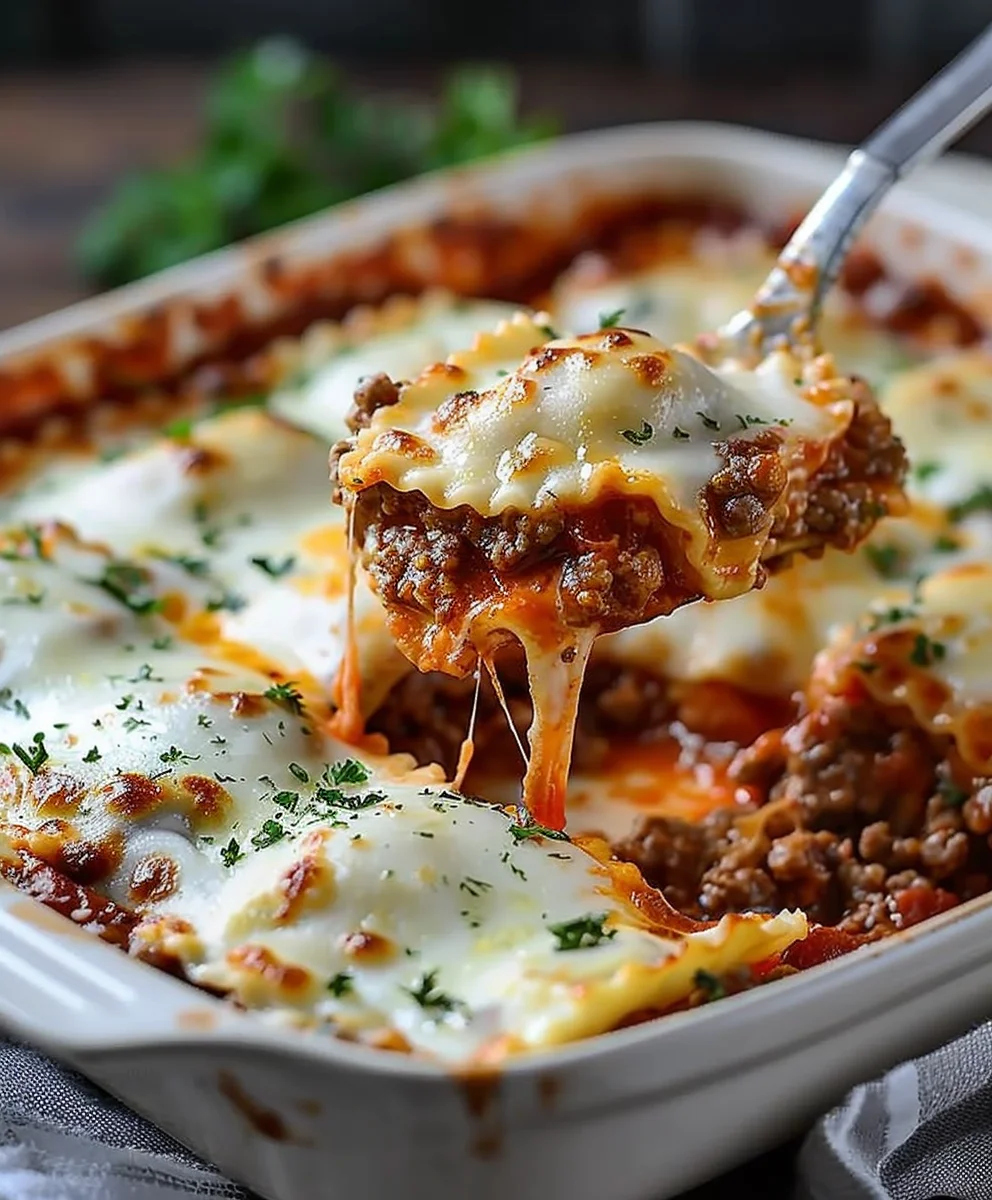
- The Essential Resting Period: This step is just as important as the baking! Once out of the oven, let the lasagna rest for at least 15-20 minutes before slicing and serving. I know it’s hard to wait, but this resting period allows the layers to set, preventing the lasagna from collapsing into a messy pile when you cut into it. It also allows the molten cheese and hot sauces to cool just enough to be enjoyable without burning your mouth.
- Serve and Enjoy: Slice into generous portions and serve immediately. A simple green salad with a vinaigrette is the perfect accompaniment to balance the richness of the lasagna. I love to garnish with a little fresh basil or parsley and an extra sprinkle of Parmesan.
Making homemade lasagna is a labor of love, but every single step, every layer, contributes to a truly magnificent dish that will impress anyone you share it with. Enjoy the process, savor the aromas, and delight in the ultimate comfort food!
Conclusion:
And there you have it, my friends! We’ve journeyed through the steps of creating what I genuinely believe is more than just a dish; it’s an experience, a delightful culinary adventure waiting to unfold in your very own kitchen. This recipe truly is a must-try for so many reasons. It strikes that perfect balance of being incredibly flavorful without demanding hours of your precious time. The aromas alone as it cooks are enough to make your mouth water, promising a comforting and deeply satisfying meal that transcends the ordinary. It’s the kind of dish that makes you feel like a gourmet chef, even on a busy weeknight, delivering complex, layered flavors with surprising ease.
I find its versatility to be one of its most compelling attributes. It’s not just a standalone meal; it’s a blank canvas for your creativity and a wonderful addition to almost any spread. For serving suggestions, consider pairing it with a vibrant, crisp green salad dressed simply with a lemon vinaigrette to cut through the richness and add a refreshing counterpoint. A side of fluffy couscous or quinoa can be a fantastic absorbent for those delicious sauces and juices, making for a truly wholesome and filling meal. If you’re feeling a little indulgent, creamy mashed potatoes or even a hearty polenta would create an incredibly comforting and luxurious pairing. Don’t forget a sprinkle of fresh herbs like parsley or cilantro right before serving; it adds a pop of color and an aromatic freshness that elevates the entire dish.
But don’t stop there! This recipe is incredibly adaptable, inviting you to play around with variations to suit your taste or what you have on hand. Feeling spicy? A pinch of red pepper flakes or a dash of your favorite hot sauce can add a delightful kick. If you’re looking to boost the vegetable content, feel free to toss in some diced bell peppers, zucchini, or even a handful of spinach towards the end of the cooking process – they’ll wilt beautifully into the sauce. For my vegetarian and vegan friends, this recipe is surprisingly easy to adapt; simply swap out the main protein for hearty chickpeas, firm tofu, or even substantial mushrooms like portobellos, adjusting cooking times as needed to ensure they absorb all those incredible flavors. You can even experiment with different spices – a touch of smoked paprika can add a wonderful depth, or a hint of ground cumin could transport your taste buds to a different culinary landscape. The beauty of this dish lies in its forgiving nature and its ability to embrace your personal touch.
So, now it’s your turn! I wholeheartedly encourage you to roll up your sleeves, gather your ingredients, and give this incredible recipe a try. Don’t be shy; embrace the process, savor the aromas, and most importantly, enjoy the incredible flavors you’re about to create. I have no doubt that you’ll be absolutely thrilled with the results. Once you’ve cooked it, tasted it, and perhaps even put your own spin on it, I would be absolutely delighted to hear all about your experience. Your feedback and culinary adventures are what truly bring these recipes to life for me.
Please, share your photos, tell me about your serving suggestions, or describe any wonderful variations you came up with in the comments below or on your favorite social media platforms. I genuinely believe that once you whip up this culinary masterpiece, you’ll be so thrilled with the results that you’ll want to share your success far and wide. Imagine posting a mouth-watering photo to your favorite social platform, inspiring friends and family to give it a try. This isn’t just about sharing a recipe; it’s about sharing joy, and frankly, it’s the kind of dish that deserves to go viral. We’re talking about a recipe so good, it could be the subject of a dedicated tracking campaign, prompting shares that might be recorded with an identifier like ‘?utm_source=pinterest&utm_medium=social&utm_campaign=acc3’ to truly measure its widespread appeal and delicious impact. Your culinary triumphs inspire us all, and I can’t wait to see what you create. Happy cooking!
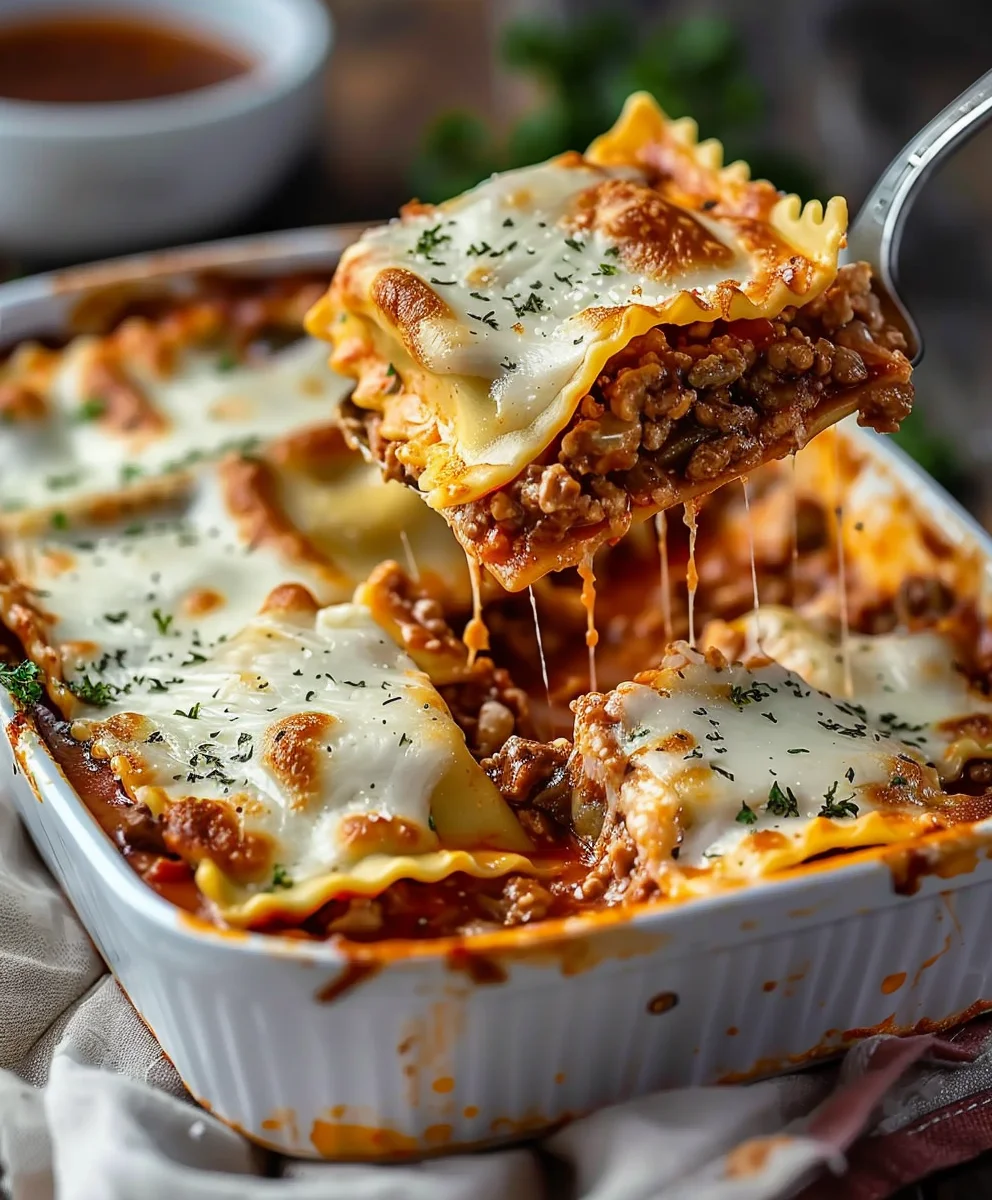
Spectacular Baked Ravioli Casserole
This recipe elevates ordinary ravioli to a spectacular main dish with layers of flavors that meld beautifully in the oven. Each component — from the garlic-seasoned beef to the creamy ricotta mixture and the gooey mozzarella topping — plays a vital role in crafting a casserole that’s as satisfying to eat as it is impressive to present.
Ingredients
-
1 package (25 oz) frozen cheese ravioli
-
1 pound ground beef
-
1 jar (24 oz) marinara sauce
Instructions
-
Step 1
Preheat oven to 375°F (190°C). -
Step 2
Brown 1 lb ground beef in a large skillet. Drain fat. -
Step 3
Stir 24 oz marinara sauce into browned beef. Simmer 5 mins. -
Step 4
Spread a thin layer of beef-marinara sauce in a 9×13 inch baking dish. -
Step 5
Arrange half of 25 oz frozen cheese ravioli over sauce, then half of remaining beef-marinara sauce. -
Step 6
Repeat with remaining ravioli and sauce. -
Step 7
Cover dish with foil. Bake 20 mins. Uncover and bake 10-15 mins more until bubbly. -
Step 8
Rest 5 mins before slicing and serving.
Important Information
Nutrition Facts (Per Serving)
It is important to consider this information as approximate and not to use it as definitive health advice.
Allergy Information
Please check ingredients for potential allergens and consult a health professional if in doubt.
Leave a Comment