

Healthy Halibut With Buerre Blanc
Healthy Halibut With Buerre Blanc – just the sound of it evokes a feeling of sophisticated dining, doesn’t it? I absolutely adore this recipe because it beautifully marries the delicate, lean goodness of halibut with a classic, vibrant sauce that elevates the entire dish. This isn’t just another fish recipe; it’s an experience that proves healthy eating can be utterly luxurious and bursting with flavor.
What makes this particular dish so special is how we achieve that indulgent taste without sacrificing the “healthy” promise. The star, our beautiful halibut, is packed with lean protein and omega-3s, and when perfectly cooked, it flakes apart effortlessly, melting in your mouth. Then there’s the Buerre Blanc – a velvety, tangy dream of a sauce. Traditionally made with white wine, my version for you uses a clever non-alcohol alternative, ensuring all that bright, zesty complexity shines through without the alcohol. It’s light yet rich, coating each bite of fish with an incredible depth of flavor that will have you savoring every forkful.
You’re going to love this because it feels incredibly fancy and impressive – perfect for a special occasion or when you just want to treat yourself – but it’s surprisingly straightforward to prepare. Imagine: a tender, flaky piece of halibut, shimmering under a glossy, lemon-kissed, non-alcoholic buerre blanc. It’s elegant, utterly delicious, and truly satisfying, making you feel good from the inside out. Let’s get cooking!

Ingredient Notes
Creating a truly delightful and healthy Halibut with Buerre Blanc starts with understanding the star components. I find that a good dish is built from good ingredients, so let’s explore what makes this recipe shine.
The Healthy Halibut
- Halibut Fillets: This is the hero of our dish! I always opt for fresh, skin-on or skin-off fillets, about 6-8 ounces each. Halibut is incredibly lean, packed with protein, and a fantastic source of omega-3 fatty acids, making it a wonderful choice for a healthy meal. When selecting, look for firm, translucent flesh with no strong fishy odor. I find that its mild, sweet flavor pairs beautifully with the rich buerre blanc without being overpowering.
- Substitutions for Halibut: If halibut isn’t available or you prefer another fish, you can easily substitute with other firm, white-fleshed fish like cod, turbot, or even snapper. Just be mindful of their thickness and adjust cooking times accordingly.
The Buerre Blanc
Buerre Blanc, or “white butter sauce,” is a classic French emulsion that sounds fancy but is quite approachable. The “healthy” aspect here comes from pairing it with a lean protein and focusing on fresh, vibrant ingredients.
- Shallots: These are non-negotiable for me! Finely minced shallots provide a delicate, sweet oniony base that’s absolutely essential for the buerre blanc’s flavor profile. They mellow beautifully during the reduction process.
- Non-Alcoholic White Wine Alternative: Traditionally, white wine forms the reduction base. To align with our non-alcohol preference, I recommend a good quality non-alcoholic white wine (often available in specialty grocery stores). Alternatively, a combination of 2 parts vegetable broth and 1 part white wine vinegar can provide a similar acidity and depth. This reduction is critical for building the sauce’s foundation.
- Heavy Cream: A small amount of heavy cream is actually quite important here. It helps stabilize the emulsion, making your buerre blanc less prone to breaking and giving it a silky texture. While it adds richness, the quantity is modest for the overall dish.
- Unsalted Butter: This is the star of the buerre blanc, so choose a high-quality unsalted butter. I always cut it into cold cubes; this helps it emulsify gradually into the sauce, creating that smooth, luxurious consistency. If you’re looking to slightly reduce the fat content, you could experiment with a high-quality plant-based butter, though it might subtly alter the flavor and texture.
- Fresh Lemon Juice: A squeeze of fresh lemon juice at the end is a game-changer. It brightens the sauce, cuts through the richness, and truly elevates the flavors. Don’t skip it!
- Salt and Freshly Ground Black Pepper: Simple seasonings are all you need to bring out the best in these ingredients.
Accompaniments (for a Healthy Meal)
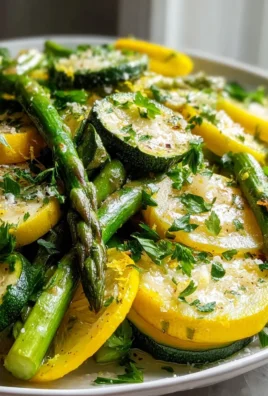
- Fresh Vegetables: I love serving this dish with vibrant, quickly cooked vegetables. Asparagus spears, haricots verts (thin green beans), or roasted cherry tomatoes are perfect. They add color, texture, and essential nutrients, complementing the richness of the buerre blanc beautifully.
- Fresh Herbs: A sprinkle of fresh chopped chives or dill right before serving adds a lovely aromatic finish.
Step-by-Step Instructions
Let’s get cooking! I find that breaking down the process makes even the most elegant dishes feel achievable. We’ll conquer the buerre blanc and the halibut in a few simple steps.
Step 1: Prepare Your Ingredients
- First things first, I like to have everything prepped before I start cooking. Pat your halibut fillets completely dry with paper towels; this is key for a good sear. Season them generously on both sides with salt and freshly ground black pepper.
- Finely mince your shallots. Cut your cold unsalted butter into 1-tablespoon cubes and set them aside. Have your non-alcoholic white wine alternative, heavy cream, and lemon juice ready to go.
- If you’re serving with vegetables, get those prepped too – trim asparagus, wash green beans, etc.
Step 2: Start the Buerre Blanc Reduction
- In a small, heavy-bottomed saucepan, I combine the minced shallots with the non-alcoholic white wine alternative.
- Bring this mixture to a simmer over medium heat and cook until the liquid has reduced significantly, to about 1-2 tablespoons. This should take 5-7 minutes. You want the shallots to be very tender and the liquid to be syrupy. This concentration of flavor is vital for the sauce.
Step 3: Emulsify the Buerre Blanc
- Reduce the heat to very low. Add the heavy cream to the shallot reduction and whisk gently for about 30 seconds until it’s just warmed through.
- Now, off the heat (or on the lowest possible heat setting), I start adding the cold butter cubes, one or two at a time, whisking constantly and vigorously after each addition. The goal is to incorporate each cube fully before adding the next. This creates a smooth, emulsified sauce.
- Continue adding butter and whisking until all the butter is incorporated and the sauce is thick, pale, and creamy. If the sauce gets too cold and starts to thicken too much, you can briefly place it back on very low heat, but be careful not to let it get hot enough to boil or separate.
- Stir in the fresh lemon juice and season with salt and pepper to taste. Keep the buerre blanc warm (ideally in a double boiler or a thermos) while you cook the fish, but do not let it simmer or boil, as it can break.
Step 4: Cook the Halibut
- Heat a large, oven-safe skillet (cast iron or stainless steel works great) over medium-high heat. Add a small amount of healthy cooking oil (like avocado or olive oil) – just enough to lightly coat the bottom of the pan.
- Once the oil is shimmering, carefully place the halibut fillets, presentation-side down, into the hot pan. I cook them undisturbed for about 3-4 minutes, or until a beautiful golden-brown crust forms. This crust adds wonderful flavor and texture.
- Gently flip the fillets. If your fillets are thick (over 1 inch), you might want to transfer the skillet to a preheated oven at 375°F (190°C) for another 5-8 minutes to finish cooking through. For thinner fillets, simply continue cooking on the stovetop for another 3-5 minutes, depending on thickness, until the fish flakes easily with a fork but is still moist and opaque in the center. Avoid overcooking!
Step 5: Serve
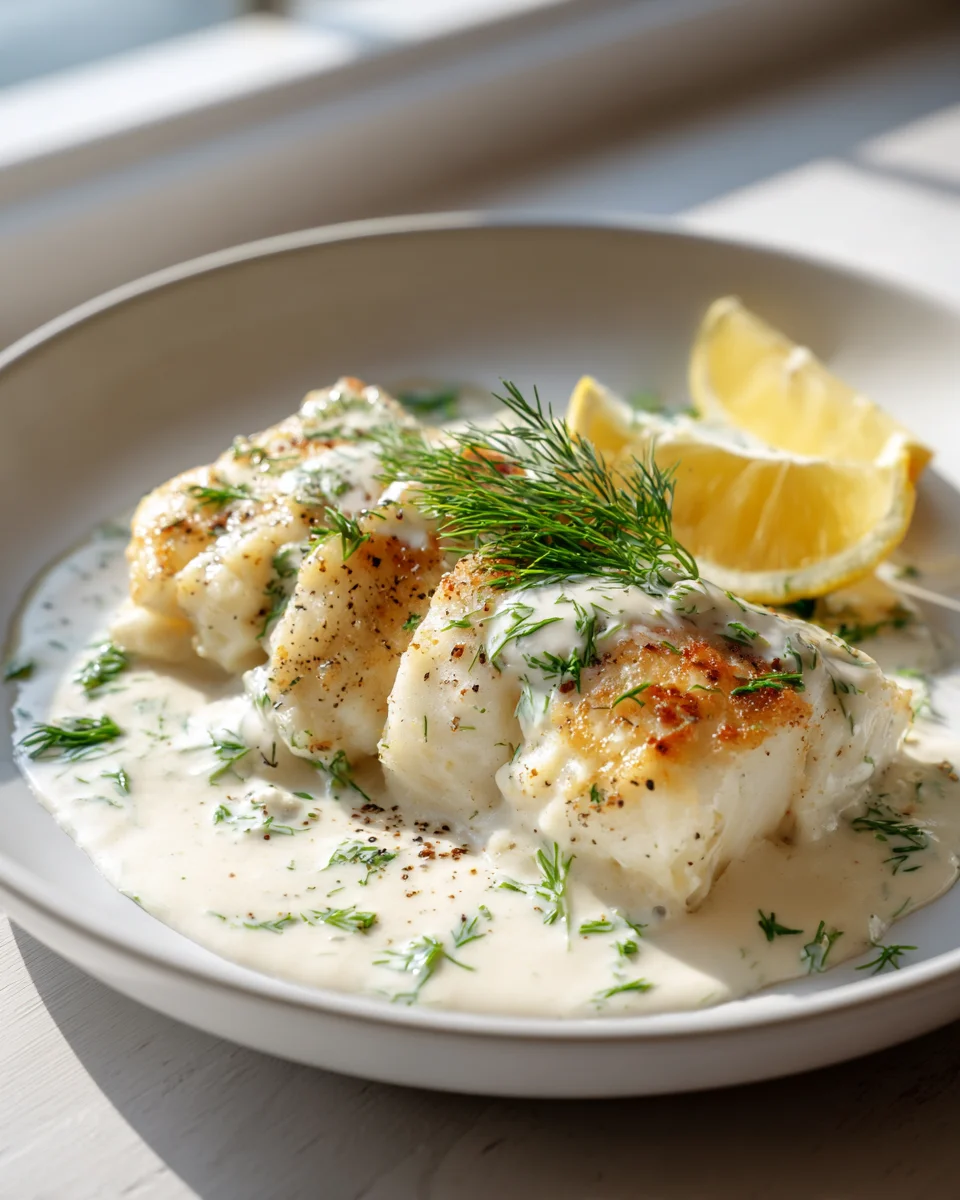
- Plate the cooked halibut fillets immediately. I like to spoon a generous amount of the warm buerre blanc over and around each fillet.
- Serve alongside your chosen healthy vegetables, such as steamed asparagus or roasted cherry tomatoes. A sprinkle of fresh chopped chives or dill adds a lovely final touch. Enjoy your healthy and elegant meal!
Tips & Suggestions
I’ve learned a few tricks over the years that can really make a difference with dishes like this. Here are my top tips for perfecting your Healthy Halibut with Buerre Blanc:
- For the Halibut: Don’t Overcook! Halibut is a delicate fish and can dry out quickly. I always recommend cooking it until it just flakes easily. A good rule of thumb is to cook it to an internal temperature of 145°F (63°C). Using an instant-read thermometer can be very helpful here. The pan-sear then oven-finish method is fantastic for ensuring a crisp exterior and a moist interior, especially for thicker fillets.
- Pat Dry, Always: This is a small step that makes a huge impact! Excess moisture on the fish surface prevents browning and creates steam, which you don’t want when aiming for a beautiful sear.
- For the Buerre Blanc: Cold Butter is Your Friend: Adding cold butter, cube by cube, to your reduction base is crucial for creating a stable emulsion. The cold butter helps to cool the sauce slightly, preventing it from overheating and separating.
- Whisk, Whisk, Whisk: Constant whisking during the butter addition phase is non-negotiable. This incorporates air and helps to create a smooth, creamy, and emulsified sauce.
- Temperature Control is Key: Buerre blanc is a finicky sauce. It loves gentle warmth but hates boiling. If it gets too hot, the butter and liquid will separate. If it gets too cold, it will solidify. I keep it warm over a very gentle double boiler or in a pre-warmed thermos if serving immediately.
- Troubleshooting a Broken Buerre Blanc: Don’t panic if your sauce separates! It happens to the best of us. My go-to fix is to remove the pan from the heat, add a tablespoon or two of very cold water (or non-alcoholic white wine alternative) or even a small ice cube, and whisk vigorously again. Sometimes, a tiny bit more heavy cream can also help bring it back together.
- Enhance Your Sauce: Feel free to experiment with additional flavors in your buerre blanc. A pinch of white pepper, a tiny dash of cayenne for a subtle kick, or a sprig of fresh tarragon or chives added to the reduction can add lovely nuances.
- Healthy Pairing Suggestions: To keep this meal truly healthy, consider serving it with steamed green beans, roasted asparagus, sautéed spinach, a light quinoa salad, or even some wild rice. These sides add fiber and nutrients without overwhelming the delicate flavors of the fish and sauce.
- Portion Control: While this dish is inherently healthy due to the lean protein, remember that buerre blanc is a rich sauce. Enjoy it, but be mindful of your portion size of the sauce to maintain the healthy balance of your meal.
Storage
When it comes to leftovers for Healthy Halibut with Buerre Blanc, I have a few specific recommendations:
- Halibut: Fish is always best eaten fresh, straight from the pan. If you do have leftover cooked halibut, I recommend storing it in an airtight container in the refrigerator and consuming it within 1-2 days. When reheating, be very gentle. I usually flake it and warm it gently in a pan over low heat, or briefly in the microwave, being careful not to overcook it further and dry it out. It’s also delicious cold flaked into a salad!
- Buerre Blanc: This sauce is designed to be made and served fresh. It’s an emulsion, which means it’s inherently unstable over time. While you can store leftover buerre blanc in an airtight container in the refrigerator for up to 1 day, I must warn you that it will likely separate upon cooling and reheating.
- Reheating Buerre Blanc: If you attempt to reheat it, do so very gently over a very low heat, whisking constantly. You may need to add a splash of cold water or non-alcoholic white wine alternative and whisk vigorously to try and bring it back to an emulsified state. However, it will likely not regain its original smooth, velvety texture. For the best experience, I strongly suggest making the buerre blanc fresh each time you prepare the dish.
- Freezing: Neither cooked halibut nor buerre blanc freezes well. The fish will become dry and less flavorful, and the sauce will separate completely upon thawing, becoming unusable. It’s definitely a dish best enjoyed fresh!
Final Thoughts
And there you have it! We’ve journeyed through creating a truly special dish. I genuinely hope you’ve enjoyed the process of bringing this recipe to life, and that the aroma filling your kitchen is as delightful as the meal itself is about to be.
I wholeheartedly believe that Healthy Halibut With Buerre Blanc is a recipe you simply must add to your culinary rotation. It’s an exquisite example of how healthy eating can be incredibly sophisticated and utterly delicious. The delicate, flaky halibut, packed with goodness, finds its perfect partner in the rich yet remarkably balanced buerre blanc, brightened beautifully with a non-alcohol alternative that captures all the classic tang without compromise. This dish isn’t just a meal; it’s an experience – light, flavorful, and elegant enough to impress, yet surprisingly approachable to prepare.
So, whether you’re looking to elevate a weeknight dinner or create a memorable meal for friends, give Healthy Halibut With Buerre Blanc a try. I promise, it’s a harmonious blend of textures and tastes that will leave everyone feeling nourished and wonderfully satisfied. Your palate will thank you!
Delicious & Healthy Halibut with Classic Buerre Blanc Sauce
- Total Time: 45 minutes
- Yield: 4 servings
Description
This Healthy Halibut with Buerre Blanc is a sophisticated dish that combines the delicate flavors of halibut with a rich, tangy sauce. It’s an indulgent yet healthy meal that’s perfect for any occasion.
Ingredients
- Halibut Fillets (6-8 ounces each)
- Shallots (finely minced)
- Non-Alcoholic White Wine Alternative (or 2 parts vegetable broth and 1 part white wine vinegar)
- Heavy Cream
- Unsalted Butter (high-quality, cut into cold cubes)
- Fresh Lemon Juice
- Salt
- Freshly Ground Black Pepper
- Healthy Cooking Oil (like avocado or olive oil)
- Fresh Vegetables (like asparagus, haricots verts, or roasted cherry tomatoes)
- Fresh Herbs (like chives or dill)
Instructions
- Pat the halibut fillets completely dry with paper towels and season generously with salt and freshly ground black pepper.
- Finely mince the shallots and cut the cold unsalted butter into 1-tablespoon cubes. Have the non-alcoholic white wine alternative, heavy cream, and lemon juice ready.
- In a small, heavy-bottomed saucepan, combine the minced shallots with the non-alcoholic white wine alternative and bring to a simmer over medium heat. Cook until the liquid has reduced significantly, to about 1-2 tablespoons (5-7 minutes).
- Reduce the heat to very low, add the heavy cream to the shallot reduction, and whisk gently for about 30 seconds until warmed through.
- Off the heat, start adding the cold butter cubes, one or two at a time, whisking constantly until fully incorporated. Continue until all the butter is incorporated and the sauce is thick and creamy. Stir in the fresh lemon juice and season with salt and pepper to taste. Keep the buerre blanc warm.
- Heat a large, oven-safe skillet over medium-high heat and add a small amount of healthy cooking oil to coat the bottom of the pan.
- Carefully place the halibut fillets, presentation-side down, into the hot pan and cook undisturbed for about 3-4 minutes until a golden-brown crust forms.
- Gently flip the fillets. If thick (over 1 inch), transfer the skillet to a preheated oven at 375°F (190°C) for another 5-8 minutes. For thinner fillets, continue cooking on the stovetop for another 3-5 minutes until the fish flakes easily.
- Plate the cooked halibut fillets and spoon a generous amount of the warm buerre blanc over each fillet. Serve alongside your chosen healthy vegetables and sprinkle with fresh herbs.
- Prep Time: 15 mins
- Cook Time: 30 mins
- Category: Dinner
- Method: Pan-searing and Emulsifying
- Cuisine: French
Nutrition
- Serving Size: 1 fillet with sauce
- Calories: 350
- Sugar: 1 g
- Sodium: 400 mg
- Fat: 22 g
- Saturated Fat: 10 g
- Unsaturated Fat: 10 g
- Trans Fat: 0 g
- Carbohydrates: 5 g
- Fiber: 1 g
- Protein: 30 g
- Cholesterol: 80 mg
Keywords: Don't overcook the halibut; aim for an internal temperature of 145°F (63°C). Pat the fish dry before cooking for a better sear. Use cold butter for the buerre blanc to create a stable emulsion and whisk constantly during the butter addition.

Leave a Comment