

The Maple Dijon Glazed Beef Tenderloin Recipe I’m about to share is more than just a dish; it’s a culinary masterpiece that promises to transform any meal into a special occasion. Imagine a centerpiece so elegant, so tender, and bursting with such a harmonious blend of flavors that it leaves a lasting impression on everyone at the table. This isn’t just about cooking; it’s about creating an unforgettable dining experience with minimal fuss, proving that gourmet doesn’t have to mean complicated.
A Legacy of Exquisite Flavor
The beauty of this recipe lies in the masterful fusion of its core ingredients. Dijon mustard, with its centuries-old French heritage, brings a sophisticated tang and depth, while pure maple syrup, a celebrated emblem of North American forests, introduces a natural, complex sweetness. When these two distinct flavors meet the luxurious, melt-in-your-mouth texture of beef tenderloin, something truly magical happens. People adore this dish because it delivers a rich, savory, and subtly sweet profile that is both comforting and incredibly refined. The tenderloin itself, known for its unparalleled tenderness, becomes even more exquisite when coated in this perfectly balanced glaze, achieving a beautiful caramelization that locks in moisture and flavor.
I find immense joy in presenting this particular Maple Dijon Glazed Beef Tenderloin Recipe because it consistently delivers on taste, presentation, and ease. It’s the ideal choice for holiday gatherings, an impressive dinner party, or even a treat for a quiet evening when you desire something truly spectacular without spending hours in the kitchen.

Ingredients:
- For the Beef Tenderloin:
- 1 (2-3 pound) whole beef tenderloin roast, trimmed of silver skin and excess fat
- 2 tablespoons good quality olive oil
- 1 ½ teaspoons kosher salt, or to taste
- ¾ teaspoon freshly ground black pepper, or to taste
- Optional: Fresh sprigs of rosemary or thyme for roasting, if you enjoy those aromatic notes
- For the Maple Dijon Glaze:
- ½ cup pure maple syrup (I always recommend Grade A Dark, Robust Taste for its deeper flavor profile)
- ¼ cup Dijon mustard (a good quality, smooth Dijon works wonders here)
- 2 tablespoons apple cider vinegar
- 1 tablespoon soy sauce (or tamari for a gluten-free option)
- 2 cloves garlic, minced very finely
- ½ teaspoon smoked paprika (this adds such a lovely depth!)
- ¼ teaspoon cayenne pepper (optional, for a very subtle warmth that enhances the other flavors without being spicy)
- For Garnish (Optional, but highly recommended for presentation and a fresh finish):
- Fresh parsley, finely chopped
- Toasted sesame seeds
Preparing the Beef Tenderloin for the Maple Dijon Glazed Beef Tenderloin Recipe
-
Bring to Room Temperature and Preheat Your Oven:
First things first, about an hour before you plan to start cooking, take your magnificent beef tenderloin out of the refrigerator. This step is absolutely crucial for ensuring even cooking throughout the roast. A cold roast will cook unevenly, with the outside potentially overcooking before the center reaches your desired doneness. While the beef is coming to room temperature, go ahead and preheat your oven to a robust 425°F (220°C). You’ll also want to line a sturdy baking sheet with aluminum foil for easier cleanup later; some people like to place a wire rack on top of the foil-lined baking sheet, which can help with air circulation around the roast, ensuring all sides get beautifully browned. -
Trim and Season the Tenderloin:
Now, let’s get our beef tenderloin ready. Most tenderloins come pre-trimmed, but it’s always a good idea to give it a quick check. Look for any remaining “silver skin,” which is a tough, silvery membrane that won’t render or become tender during cooking; it’s best to carefully remove it with a sharp paring knife. Also, trim off any large pockets of excess fat, though some fat is good for flavor. Once trimmed, pat the entire tenderloin dry with paper towels. This patting dry step is extremely important, as moisture on the surface will steam instead of searing, preventing that beautiful crust we’re aiming for. Generously season the entire surface of the beef with kosher salt and freshly ground black pepper. Don’t be shy here; this initial seasoning forms the foundational flavor for our delicious Maple Dijon Glazed Beef Tenderloin Recipe. If you’re using fresh rosemary or thyme sprigs, you can lay them on the baking sheet now, or even tie them to the tenderloin with kitchen twine for extra aromatic infusion.
Crafting the Irresistible Maple Dijon Glaze
-
Combine Glaze Ingredients:
While your beef is coming to room temperature, let’s turn our attention to the star of the show – the incredible maple Dijon glaze. In a small saucepan, combine the pure maple syrup, Dijon mustard, apple cider vinegar, soy sauce (or tamari), minced garlic, smoked paprika, and the optional cayenne pepper. Give everything a good whisk to ensure all the ingredients are thoroughly combined. You should have a relatively smooth, vibrant mixture. -
Simmer and Thicken the Glaze:
Place the saucepan over medium heat and bring the mixture to a gentle simmer, whisking occasionally. Once it reaches a simmer, reduce the heat to low and let it continue to cook very gently for about 5 to 7 minutes. You’ll notice it start to thicken slightly, taking on a beautiful glossy sheen. The goal here isn’t to make it super thick like a jam, but rather to allow the flavors to meld together and concentrate, creating a rich, syrupy glaze that will cling beautifully to our beef. Once it has thickened to your liking, remove the saucepan from the heat and set it aside. Give it an occasional stir as it cools a bit; it will continue to thicken slightly as it cools. This glaze is truly what elevates this Maple Dijon Glazed Beef Tenderloin Recipe to something extraordinary.
Searing for Intense Flavor and a Perfect Crust
-
Heat the Searing Pan:
Place a large, heavy-bottomed oven-safe skillet (cast iron or stainless steel work wonderfully here) over medium-high heat. Allow the pan to heat up for several minutes until it’s very hot, almost smoking. This initial high heat is key for achieving a deep, flavorful crust. Add the 2 tablespoons of olive oil to the hot pan, swirling to coat the bottom. The oil should shimmer, indicating it’s ready. -
Sear the Beef Tenderloin:
Carefully place the seasoned beef tenderloin into the hot skillet. You should hear a satisfying sizzle immediately – that’s the sound of flavor developing! Sear the tenderloin for about 2 to 3 minutes on each side, turning it with tongs, until a rich, golden-brown crust has formed all over. Don’t rush this step. We’re not cooking the meat through here; we’re simply building a robust exterior that locks in juices and adds immense flavor. You’ll want to get all sides, including the ends, nicely browned. This searing technique is a hallmark of preparing a truly exceptional roast, and it’s especially important for our Maple Dijon Glazed Beef Tenderloin Recipe, providing a fantastic contrast to the sweet and tangy glaze.
Roasting to Perfection and Achieving Desired Doneness
-
Transfer to Oven and Insert Thermometer:
Once the tenderloin is beautifully seared on all sides, carefully transfer the entire oven-safe skillet (if your skillet is not oven-safe, you’ll need to transfer the beef to your prepared foil-lined baking sheet with a wire rack) to your preheated 425°F (220°C) oven. Immediately insert an oven-safe meat thermometer into the thickest part of the tenderloin, making sure not to touch any bones (though tenderloins are typically boneless). Using a meat thermometer is non-negotiable for tenderloin; it’s the only way to ensure perfect doneness without overcooking this expensive cut of meat. -
Roast the Tenderloin:
Roast the beef in the preheated oven. The total roasting time will vary significantly based on the size and thickness of your tenderloin, as well as your desired level of doneness. Generally, a 2-3 pound tenderloin will take anywhere from 20 to 35 minutes.- For Rare: Aim for an internal temperature of 120-125°F (49-52°C)
- For Medium-Rare: Aim for an internal temperature of 125-130°F (52-54°C)
- For Medium: Aim for an internal temperature of 130-135°F (54-57°C)
Keep in mind that the temperature will rise by another 5-10 degrees while the meat rests due to carryover cooking. I personally love my beef tenderloin cooked to a perfect medium-rare, so I usually pull it out around 125°F (52°C).
-
Monitor and Glaze During Final Minutes (Optional, but Recommended for Extra Flavor):
About 5-10 minutes before you anticipate the beef reaching its target temperature (when it’s about 5-10 degrees below your target), remove the tenderloin from the oven. Brush about one-third to half of your prepared maple Dijon glaze generously over the entire surface of the beef. Return the tenderloin to the oven and continue roasting until it reaches your desired internal temperature. This partial glazing during the roast allows the glaze to lightly caramelize onto the beef, creating an even deeper, more integrated flavor profile for our Maple Dijon Glazed Beef Tenderloin Recipe.
Resting, Glazing, and Serving Your Exquisite Tenderloin
-
The Indispensable Resting Period:
Once your beef tenderloin reaches your desired internal temperature, carefully remove it from the oven and transfer it to a clean cutting board. Cover it loosely with aluminum foil and let it rest for a minimum of 10 to 15 minutes, or even up to 20 minutes for a larger roast. I cannot stress enough how vital this resting period is. It allows the juices, which have been pushed to the center of the roast during cooking, to redistribute throughout the meat. If you slice it too soon, all those delicious juices will run out onto your cutting board, leaving you with dry meat. Be patient – your patience will be richly rewarded with an incredibly tender and juicy outcome. -
Final Glaze Application:
After the resting period, gently uncover the beef. You’ll notice some lovely pan juices in the skillet or on the baking sheet; these are liquid gold and can be spooned over the sliced beef or whisked into the remaining glaze if desired. Now, generously brush the remaining maple Dijon glaze all over the rested tenderloin. This final layer of glaze adds a fresh burst of flavor and a beautiful, glossy finish, making it truly shine as the Maple Dijon Glazed Beef Tenderloin Recipe it is meant to be. -
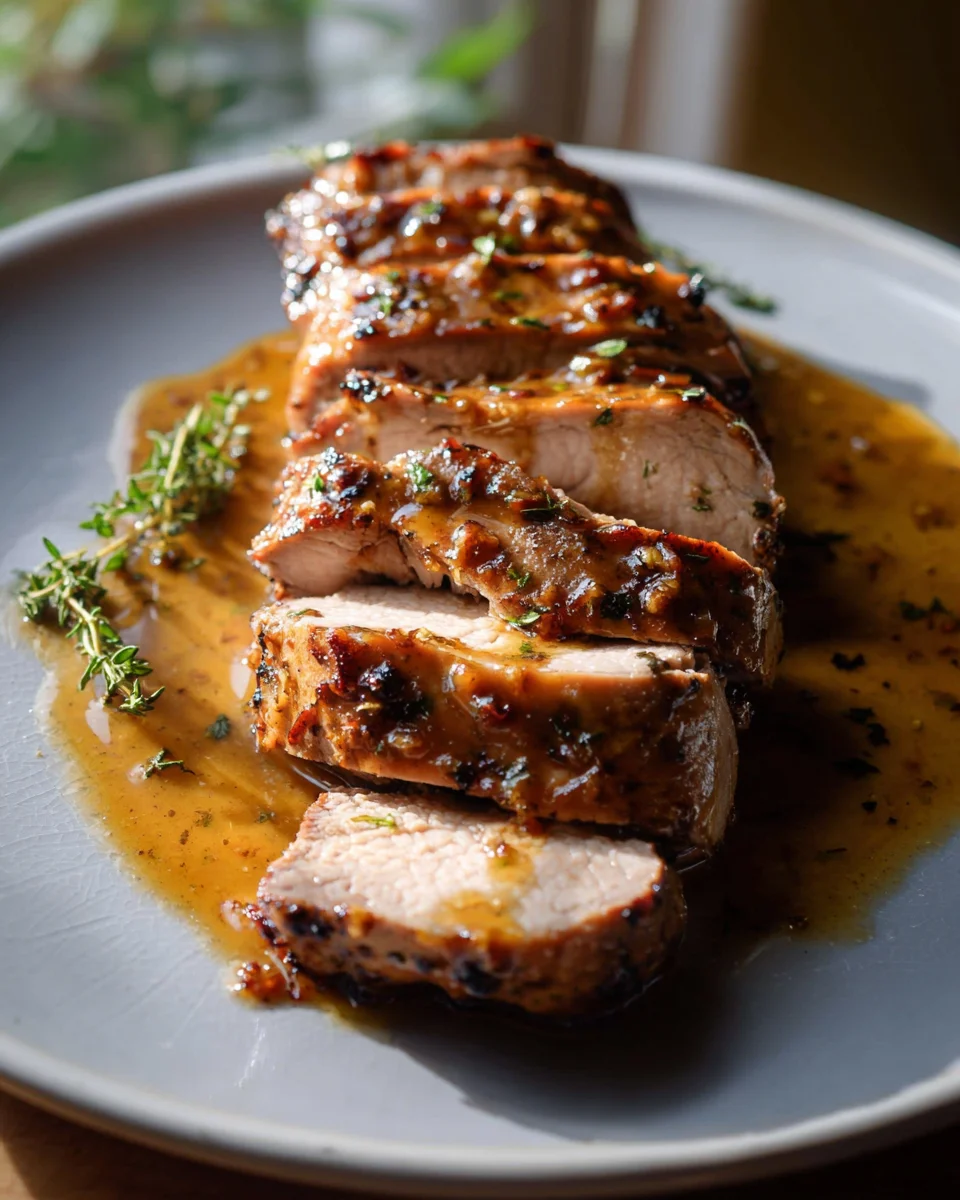
Slice and Garnish:
Using a very sharp carving knife, slice the tenderloin against the grain into ½ to ¾-inch thick medallions. Arrange the slices artfully on a serving platter. For an extra touch of elegance and fresh flavor, sprinkle with chopped fresh parsley and a dash of toasted sesame seeds. Serve immediately with any additional glaze on the side for those who want an extra dip. This dish pairs wonderfully with roasted asparagus, creamy mashed potatoes, or a light green salad. Every bite will be a testament to your culinary efforts, offering a perfect balance of savory beef, sweet maple, and tangy Dijon. Enjoy!
Conclusion:
And there you have it, friends! We’ve journeyed together through the simple yet incredibly satisfying steps to create a dish that truly stands out. What makes this particular Maple Dijon Glazed Beef Tenderloin Recipe an absolute must-try isn’t just its elegant presentation or the impressive way it commands attention at the dinner table; it’s the remarkable symphony of flavors that come alive with every single bite. We’re talking about that perfect balance where the natural richness of the beef tenderloin meets the robust, tangy kick of Dijon mustard, all mellowed and elevated by the sweet, earthy notes of pure maple syrup. It’s a culinary experience that feels gourmet, yet is surprisingly approachable for any home cook, promising to transform an ordinary meal into something truly extraordinary and memorable for you and your loved ones.
I truly believe this recipe is destined to become a staple in your kitchen, especially when you’re looking to impress without spending hours slaving over a hot stove. The glaze itself is a masterpiece – sticky, shimmering, and packed with an umami depth that coats the tender beef beautifully. Imagine slicing into that perfectly cooked tenderloin, watching the juices flow, and then experiencing that initial sweet-savory punch followed by the melt-in-your-mouth tenderness of the meat. It’s a sensation that will have everyone asking for your secret. This isn’t just dinner; it’s an event, a celebration of simple, quality ingredients coming together in harmonious perfection. Every aspect, from the aroma filling your kitchen to the last delectable morsel, is designed to delight and satisfy even the most discerning palate.
Now, let’s talk about enhancing this already incredible dish. While the Maple Dijon Glazed Beef Tenderloin is undoubtedly the star, choosing the right supporting cast can elevate the entire meal. I love serving it alongside some simply roasted asparagus or green beans, tossed lightly with olive oil and a pinch of sea salt, to add a refreshing crispness and vibrant color. For something a bit more substantial, a creamy polenta or a fluffy garlic mashed potato provides the perfect comforting canvas to soak up all those delicious glaze drippings. Don’t forget a fresh, peppery arugula salad with a light vinaigrette to cut through the richness and cleanse the palate. And if you’re feeling particularly ambitious, roasted root vegetables like carrots and parsnips, caramelized to perfection, offer another layer of sweetness that beautifully complements the maple in our glaze. The possibilities for pairing are truly endless, allowing you to tailor the meal to your personal preference and the occasion.
Beyond pairing, feel free to get creative with variations. If beef tenderloin isn’t quite in your budget or you prefer another cut, this glaze works wonderfully on pork tenderloin or even thick-cut pork chops, adjusting cooking times accordingly. For those who love a bit of heat, a pinch of red pepper flakes added to the glaze mixture will introduce a delightful spicy kick that plays beautifully against the sweetness. You could also experiment with different herbs – a sprig of fresh rosemary or thyme tucked in with the beef during roasting adds an aromatic depth that is simply divine. Consider adding a splash of balsamic vinegar or a touch of smoked paprika to the glaze for an even more complex flavor profile. This recipe is wonderfully adaptable, encouraging you to make it your own and experiment with what you have on hand, or what new flavors you’re eager to explore. It’s all about making the dish uniquely yours!
So, what are you waiting for? I sincerely encourage you to roll up your sleeves and give this spectacular recipe a try. You’ll be amazed at how effortlessly you can create such a sophisticated and deeply flavorful dish that tastes like it came straight from a gourmet restaurant. Cooking should be an adventure, a source of joy and creative expression, and this recipe delivers on all fronts. Once you’ve made it, I would absolutely love to hear about your experience! Please share your triumphs, your photos, and any creative twists you added in the comments below or on your favorite social media platforms. Your feedback and personal touches inspire me and our entire cooking community.
Trust me, this isn’t just another meal; it’s an opportunity to create culinary magic in your own kitchen. Prepare to impress your family and friends, or simply treat yourself to something truly special. Get ready for rave reviews and an empty plate because this Maple Dijon Glazed Beef Tenderloin is truly unforgettable. Happy cooking, everyone!
Maple Dijon Glazed Beef Tenderloin Recipe
An elegant and flavorful Maple Dijon Glazed Beef Tenderloin recipe that’s easy to make, perfect for any special occasion or weeknight treat. Features a perfect balance of savory beef, sweet maple, and tangy Dijon.
Ingredients
Instructions
Important Information
Nutrition Facts (Per Serving)
It is important to consider this information as approximate and not to use it as definitive health advice.
Allergy Information
Please check ingredients for potential allergens and consult a health professional if in doubt.
Leave a Comment