

Rotisserie Chicken: the answer to weeknight dinner dilemmas and the star of countless delicious meals! Have you ever walked into a grocery store and been instantly drawn in by the intoxicating aroma of perfectly roasted chicken? That’s the magic of rotisserie chicken, a culinary shortcut that’s been saving busy families (like mine!) for decades.
While the exact origins are debated, the concept of roasting meat on a rotating spit dates back centuries. From medieval feasts to bustling marketplaces, the allure of evenly cooked, succulent meat has always been strong. Today, the rotisserie chicken enjoys a global popularity, and for good reason.
What makes rotisserie chicken so irresistible? It’s a symphony of flavors and textures. The skin, crisped to golden perfection, offers a satisfying crunch, while the meat remains incredibly juicy and tender. It’s also incredibly versatile! You can shred it for tacos, slice it for sandwiches, or simply enjoy it as a main course with your favorite sides. Plus, let’s be honest, the convenience factor is a major draw. Who wouldn’t appreciate a delicious, ready-to-eat meal that requires minimal effort? Join me as we explore creative and mouthwatering ways to elevate your rotisserie chicken experience!

Ingredients:
- 1 (3-4 pound) Rotisserie Chicken
- 1 tablespoon olive oil
- 1 medium yellow onion, chopped
- 2 carrots, peeled and chopped
- 2 celery stalks, chopped
- 4 cloves garlic, minced
- 8 cups chicken broth (low sodium preferred)
- 2 cups water
- 1 teaspoon dried thyme
- 1/2 teaspoon dried rosemary
- 1 bay leaf
- 1/2 teaspoon black peppercorns
- 1/4 teaspoon salt (or to taste)
- 1 cup egg noodles (or other small pasta)
- 1/2 cup chopped fresh parsley, for garnish
- Optional: 1/2 cup mixed vegetables (peas, corn, green beans)
Preparing the Chicken and Vegetables:
Okay, let’s get started! The beauty of this recipe is that we’re using a pre-cooked rotisserie chicken, which saves a ton of time. First things first, we need to break down that bird. Don’t worry, it’s easier than it sounds!
- Remove the Chicken Meat: Carefully remove all the meat from the rotisserie chicken. You can use your hands or a knife and fork. I like to start with the breasts, then move on to the thighs, legs, and wings. Don’t be afraid to get in there and pick it clean! Set the meat aside in a bowl. We’ll add it to the soup later.
- Separate the Meat: Shred or dice the chicken meat into bite-sized pieces. This makes it easier to eat in the soup. I prefer shredding it, but dicing works just as well.
- Prepare the Chicken Carcass: Place the chicken carcass (bones, skin, and any remaining bits) into a large stockpot or Dutch oven. This is where we’ll extract all that delicious flavor for our broth.
- Saut茅 the Aromatics: Heat the olive oil in the same stockpot over medium heat. Add the chopped onion, carrots, and celery. Saut茅 for about 5-7 minutes, or until the vegetables are softened and the onion is translucent. Stir occasionally to prevent burning. These vegetables are the foundation of our soup’s flavor, so don’t rush this step.
- Add the Garlic: Add the minced garlic to the pot and saut茅 for another minute, or until fragrant. Be careful not to burn the garlic, as it can become bitter.
Building the Broth:
Now for the magic! We’re going to create a rich and flavorful broth that will be the heart of our chicken noodle soup.
- Add Liquids and Seasonings: Pour the chicken broth and water into the pot with the vegetables and chicken carcass. Add the dried thyme, dried rosemary, bay leaf, and black peppercorns.
- Bring to a Boil: Bring the mixture to a boil over high heat. Once boiling, reduce the heat to low, cover the pot, and simmer for at least 1 hour, or up to 2 hours. The longer it simmers, the more flavorful the broth will be. This slow simmering process allows the flavors from the chicken carcass and vegetables to meld together beautifully.
- Strain the Broth: After simmering, carefully strain the broth through a fine-mesh sieve or cheesecloth-lined colander into a large bowl or another pot. Discard the solids (chicken carcass, vegetables, and herbs). We only want the clear, flavorful broth.
- Return Broth to Pot: Pour the strained broth back into the stockpot.
Completing the Soup:
Almost there! Now we’re going to add the final touches and turn that delicious broth into a comforting bowl of chicken noodle soup.
- Bring Broth to a Simmer: Bring the strained broth to a simmer over medium heat.
- Add Noodles: Add the egg noodles (or your preferred pasta) to the simmering broth. Cook according to the package directions, or until the noodles are tender. Be careful not to overcook the noodles, as they will become mushy.
- Add Chicken and Vegetables: Add the shredded or diced chicken meat to the soup. If using mixed vegetables (peas, corn, green beans), add them now as well.
- Heat Through: Cook for another 5-10 minutes, or until the chicken and vegetables are heated through.
- Season to Taste: Season the soup with salt and pepper to taste. Remember that the rotisserie chicken may already be seasoned, so start with a small amount of salt and adjust as needed.
- Remove Bay Leaf: Before serving, remove the bay leaf from the soup.
Serving and Enjoying:
The moment we’ve been waiting for! Time to ladle up a bowl of warm, comforting chicken noodle soup.
- Garnish: Ladle the soup into bowls and garnish with chopped fresh parsley.
- Serve: Serve immediately and enjoy! This soup is perfect on a cold day, when you’re feeling under the weather, or just craving a classic comfort food.
Tips and Variations:
- Vegetable Variations: Feel free to add other vegetables to the soup, such as potatoes, parsnips, or mushrooms.
- Herb Variations: Experiment with different herbs, such as dill, oregano, or sage.
- Spicy Kick: Add a pinch of red pepper flakes for a little heat.
- Creamy Soup: For a creamier soup, stir in a splash of heavy cream or half-and-half at the end.
- Make it Gluten-Free: Use gluten-free noodles to make this soup gluten-free.
- Storage: Leftover soup can be stored in an airtight container in the refrigerator for up to 3 days.
- Freezing: The soup can also be frozen for longer storage. However, the noodles may become a bit soft after thawing.
Why This Recipe Works:
Using a rotisserie chicken is a game-changer! It drastically cuts down on cooking time while still providing that rich, roasted chicken flavor. Simmering the chicken carcass creates a deeply flavorful broth that’s far superior to store-bought broth. The combination of vegetables and herbs adds layers of complexity to the soup. And of course, the noodles and chicken make it a hearty and satisfying meal.
Health Benefits:
Chicken noodle soup isn’t just delicious, it’s also good for you! Chicken is a great source of protein, which is essential for building and repairing tissues. The vegetables provide vitamins and minerals, and the broth helps to hydrate you. Plus, the warm soup can help to soothe a sore throat and clear congestion.
Perfect for Meal Prep:
This recipe is perfect for meal prepping! You can make a big batch of soup on the weekend and enjoy it throughout the week. It’s also a great way to use up leftover vegetables.
Kid-Friendly:
Chicken noodle soup is a classic kid-friendly meal. It’s easy to eat, nutritious, and comforting. You can even get your kids involved in the cooking process by having them help you chop vegetables or shred the chicken.
Serving Suggestions:
Serve this chicken noodle soup with a side of crusty bread for dipping. It’s also delicious with a simple green salad or a grilled cheese sandwich.
Troubleshooting:
- Soup is too salty: Add a squeeze of lemon juice or a small amount of sugar to balance the flavors.
- Soup is too bland: Add more salt, pepper, or herbs. You can also add a splash of Worcestershire sauce or soy sauce for extra umami.
- Noodles are mushy: Be careful not to overcook the noodles. Cook them until they are just tender.
- Broth is not flavorful enough: Simmer the chicken carcass for a longer period of time. You can also add more herbs or spices.
Enjoy Your Homemade Chicken Noodle Soup!
I hope you enjoy this recipe as much as I do! It’s a simple, comforting, and delicious meal that’s perfect for any occasion. Happy cooking!
Conclusion:
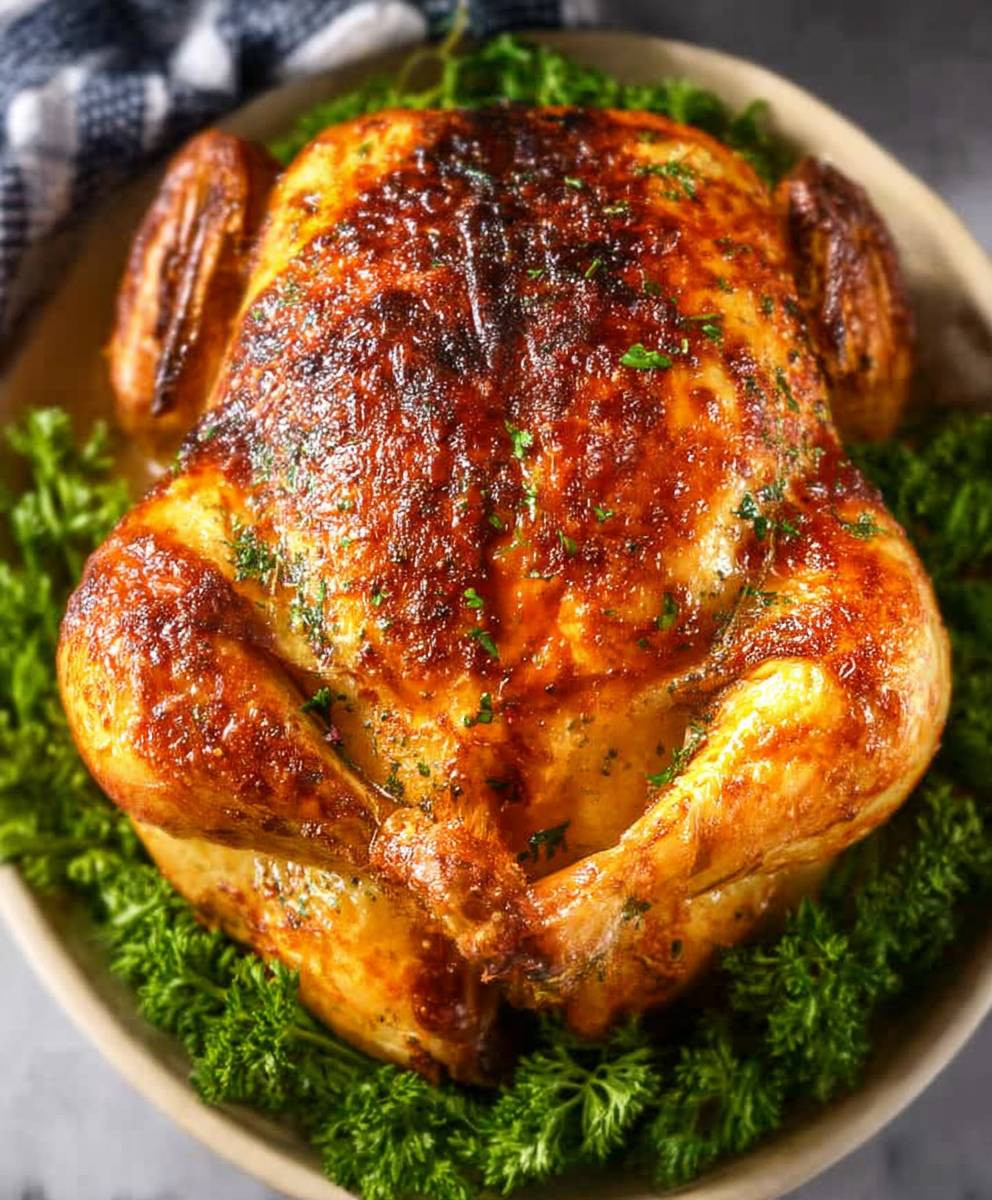
So, there you have it! This isn’t just another recipe; it’s a gateway to delicious, effortless meals. I truly believe this method for preparing Rotisserie Chicken at home is a game-changer. Forget the store-bought versions that are often dry and lacking in flavor. This recipe delivers juicy, succulent chicken with perfectly crispy skin every single time. It’s a must-try for anyone who loves good food but doesn’t want to spend hours in the kitchen.
Why is it a must-try? Well, beyond the incredible flavor and texture, it’s incredibly versatile. Think about it: one perfectly cooked chicken can be transformed into countless meals throughout the week. We’re talking chicken salads, chicken tacos, chicken noodle soup, chicken pot pie, shredded chicken sandwiches, and so much more! It’s a fantastic way to save time and money while still enjoying healthy and delicious food. Plus, the aroma that fills your kitchen while it’s cooking is simply divine!
Serving Suggestions and Variations:
The possibilities are truly endless! For a simple and satisfying meal, serve your Rotisserie Chicken with roasted vegetables like potatoes, carrots, and Brussels sprouts. A side of creamy mashed potatoes and gravy is always a winner, too. Or, if you’re looking for something lighter, try pairing it with a fresh salad and a vinaigrette dressing.
But don’t stop there! Feel free to experiment with different flavor profiles. Before roasting, you could rub the chicken with a blend of herbs and spices like rosemary, thyme, paprika, and garlic powder. For a spicier kick, add some cayenne pepper or chili powder. You could even try injecting the chicken with a marinade for extra flavor and moisture.
Another great variation is to baste the chicken with different sauces during the last 30 minutes of cooking. A honey-mustard glaze, a barbecue sauce, or even a simple lemon-herb butter would all be delicious. Get creative and have fun with it!
And don’t forget about the leftovers! As I mentioned earlier, shredded chicken is incredibly versatile. Use it to make quick and easy lunches, dinners, or snacks. You can even freeze it for later use. The carcass can also be used to make a flavorful chicken broth, which is perfect for soups, stews, and sauces.
I’m confident that once you try this recipe, you’ll never go back to store-bought rotisserie chicken again. It’s that good!
So, what are you waiting for? Gather your ingredients, preheat your oven, and get ready to experience the joy of homemade Rotisserie Chicken. I promise you won’t be disappointed.
I’m so excited for you to try this recipe! Once you do, please come back and share your experience in the comments below. I’d love to hear what you think and what variations you tried. Did you serve it with roasted vegetables or make chicken tacos? Did you experiment with different herbs and spices? Let me know! Your feedback is invaluable and helps me to continue creating delicious and easy-to-follow recipes for you. Happy cooking!
Rotisserie Chicken: The Ultimate Guide to Perfecting Your Roast
Classic, comforting chicken noodle soup made easy with rotisserie chicken! A flavorful and hearty soup perfect for a cold day or when you're feeling under the weather.
Ingredients
Instructions
Recipe Notes
- Vegetable Variations: Feel free to add other vegetables to the soup, such as potatoes, parsnips, or mushrooms.
- Herb Variations: Experiment with different herbs, such as dill, oregano, or sage.
- Spicy Kick: Add a pinch of red pepper flakes for a little heat.
- Creamy Soup: For a creamier soup, stir in a splash of heavy cream or half-and-half at the end.
- Make it Gluten-Free: Use gluten-free noodles to make this soup gluten-free.
- Storage: Leftover soup can be stored in an airtight container in the refrigerator for up to 3 days.
- Freezing: The soup can also be frozen for longer storage. However, the noodles may become a bit soft after thawing.
- Soup is too salty: Add a squeeze of lemon juice or a small amount of sugar to balance the flavors.
- Soup is too bland: Add more salt, pepper, or herbs. You can also add a splash of Worcestershire sauce or soy sauce for extra umami.
- Noodles are mushy: Be careful not to overcook the noodles. Cook them until they are just tender.
- Broth is not flavorful enough: Simmer the chicken carcass for a longer period of time. You can also add more herbs or spices.



Leave a Comment