

Scalloped Potatoes – the very name alone evokes images of warmth, comfort, and perhaps even a touch of culinary magic. I don’t know about you, but there’s something incredibly irresistible about thinly sliced potatoes baked to golden perfection in a rich, creamy sauce, often kissed with cheese. It’s a true symphony of textures and flavors that has gracefully adorned countless dinner tables for generations.
A Dish Steeped in Tradition and Taste
While the precise origins of this particular preparation are somewhat debated, potato gratins, a close culinary cousin, have been a cherished part of European cuisine for centuries. This delightful tradition eventually made its way into American kitchens, becoming a quintessential side dish for everything from grand holiday feasts to comforting family dinners. It’s a recipe steeped in the tradition of hearty, satisfying fare that brings people together.
People absolutely adore Scalloped Potatoes because they offer that perfect, harmonious blend of creamy indulgence, savory goodness, and a comforting warmth that truly feels like a hug in a dish. The tender potatoes soak up every incredible flavor, creating a side that often subtly steals the show, leaving everyone wanting another spoonful. Get ready to experience this timeless classic!

Ingredients:
- 3-4 pounds Russet Potatoes or Yukon Gold Potatoes: For the best Scalloped Potatoes, I always choose firm, unblemished potatoes. Russets are classic for their starchiness, which helps thicken the sauce, while Yukon Golds offer a slightly creamier texture and a beautiful golden hue. Aim for potatoes of similar size to ensure uniform slicing.
- 1/2 cup (1 stick) Unsalted Butter: This forms the base of our incredibly rich and flavorful sauce. Using unsalted butter allows me to control the saltiness of the dish precisely.
- 1/2 cup All-Purpose Flour: Essential for creating a classic roux, which will thicken our creamy sauce to perfection.
- 4 cups Whole Milk: While you can use a combination of milk and cream for an even richer experience (e.g., 2 cups whole milk, 2 cups half-and-half, or even heavy cream for ultimate decadence), whole milk provides a fantastic balance of creaminess and lightness for classic Scalloped Potatoes. Ensure it’s at room temperature or slightly warmed to prevent lumps when adding to the roux.
- 2 cloves Garlic, minced (optional but highly recommended): Aromatic garlic adds a subtle depth of flavor that truly elevates this simple dish. If you prefer, a finely diced small shallot can also be used.
- 1 1/2 teaspoons Kosher Salt: Potatoes love salt, and proper seasoning is key to making your Scalloped Potatoes sing. I always taste and adjust as I go.
- 1/2 teaspoon Freshly Ground Black Pepper: For a gentle warmth and aromatic kick.
- 1/4 teaspoon Freshly Grated Nutmeg: This might seem like an unusual addition, but nutmeg is the secret ingredient that brightens and enhances dairy-based sauces, lending an indescribably comforting aroma and flavor to your Scalloped Potatoes. Don’t skip it!
- Optional: 1 cup Grated Cheese (e.g., Gruyère, sharp white cheddar, or a mix): While traditional Scalloped Potatoes are famously cheese-less, adding a layer of good quality cheese can transform them into an even more decadent side dish or main course. If adding, I recommend a cheese that melts beautifully and has a robust flavor to stand up to the potatoes and cream.
- Optional: A pinch of Paprika or fresh parsley for garnish: For a pop of color upon serving.
Prepping Your Potatoes for Perfection
-
Choosing and Preparing Your Potatoes:
The foundation of incredible Scalloped Potatoes starts with the right potato and careful preparation. I always begin by selecting firm, healthy Russet or Yukon Gold potatoes. Give them a good scrub under cold running water to remove any dirt.
-
Peeling with Precision:
Using a vegetable peeler, carefully peel all of your potatoes. Aim to remove just the skin, minimizing waste. Once peeled, you might notice some dark spots or “eyes”; use the tip of your peeler or a small knife to remove these imperfections.
-
Slicing for Uniformity – The Scalloped Potato Signature:
This is perhaps the most crucial step for perfect Scalloped Potatoes. You need to slice the potatoes as thinly and as uniformly as possible, ideally between 1/8 and 1/16 of an inch thick.
- Using a Mandoline: If you have a mandoline slicer, this is by far the easiest and most consistent method. Set it to your desired thickness and carefully slice all the potatoes, using a safety guard to protect your fingers. The evenness achieved with a mandoline ensures that all the potato slices cook at the same rate, resulting in a beautifully tender texture throughout your dish.
- Using a Sharp Knife: If you don’t have a mandoline, a very sharp chef’s knife and a steady hand will work. Take your time, making sure each slice is as thin and even as the last. You can square off the potatoes slightly to make them easier to handle and achieve more uniform slices.
Why uniformity matters: Uneven slices will lead to some potatoes being perfectly tender while others are still a bit firm or even mushy. Consistency is key for the best Scalloped Potatoes.
-
To Rinse or Not to Rinse? Understanding Starch:
Once sliced, many recipes suggest rinsing the potatoes to remove excess starch. I sometimes do this, and sometimes I don’t, depending on my desired outcome.
- Rinsing: Rinsing removes surface starch, which can help prevent the potatoes from sticking together and results in a slightly clearer, less gluey sauce. If you rinse, place the slices in a large bowl of cold water, swish them around, then drain and rinse again until the water runs mostly clear.
- Not Rinsing: Leaving the starch on the potatoes means it will release into your sauce during baking, contributing to a thicker, richer consistency. For me, with a well-made roux, rinsing isn’t always necessary, and I often prefer the natural starchiness for that classic Scalloped Potatoes feel.
-
Thoroughly Drying the Slices:
Whether you rinse them or not, it’s absolutely vital to dry your potato slices thoroughly. Lay them out in a single layer on clean kitchen towels or paper towels and pat them completely dry. Excess moisture can dilute your sauce and prevent proper browning.
-
Preparing Your Baking Dish:
Lightly grease a 9×13-inch baking dish (or an equivalent oven-safe dish, such as a 3-quart gratin dish) with butter. This prevents sticking and contributes to a beautiful golden crust on the bottom of your Scalloped Potatoes.
Crafting the Creamy Sauce for Your Scalloped Potatoes
The heart of truly magnificent Scalloped Potatoes lies in its velvety, well-seasoned cream sauce. This is where we build layers of flavor that will infuse every tender slice of potato.
-
Melting Butter and Sautéing Aromatics:
In a medium-sized heavy-bottomed saucepan or Dutch oven, melt the 1/2 cup of unsalted butter over medium heat. Once the butter is fully melted and slightly shimmering, add the minced garlic (or shallots, if using). Sauté gently for 1-2 minutes, stirring constantly, until the garlic is fragrant but not browned. Be careful not to burn the garlic, as this can impart a bitter flavor to your finished Scalloped Potatoes.
-
Building the Roux – The Thickening Foundation:
Sprinkle the 1/2 cup of all-purpose flour over the melted butter and sautéed garlic. Whisk continuously for about 2-3 minutes. You’re creating a roux here, which is a cooked mixture of fat and flour. It will form a thick paste. Continue whisking and cooking it gently; this process cooks out the raw flour taste, which is crucial for a smooth, delicious sauce without a raw flour aftertaste. The mixture should be a pale golden color and smell slightly nutty.
-
Gradually Incorporating the Milk:
Now, it’s time to add the liquid. This step requires patience and steady whisking to ensure a lump-free sauce. Gradually pour in the 4 cups of whole milk, about 1/2 cup at a time, whisking vigorously after each addition to incorporate it fully into the roux. As you add the milk, the sauce will initially look very thick, then gradually loosen and smooth out. Continue whisking until all the milk is incorporated and the sauce is smooth.
-
Simmering to Perfection:
Bring the sauce to a gentle simmer over medium heat, still whisking occasionally to prevent it from sticking to the bottom. Let it simmer for about 3-5 minutes, or until the sauce has thickened to a consistency similar to heavy cream or a thin béchamel. It should coat the back of a spoon. Remember, it will thicken further as it bakes with the potatoes.
-
Seasoning the Creamy Goodness:
Remove the saucepan from the heat. Stir in the 1 1/2 teaspoons of kosher salt, 1/2 teaspoon of freshly ground black pepper, and the 1/4 teaspoon of freshly grated nutmeg.
The Secret Weapon: Nutmeg!
I can’t stress enough how important the nutmeg is here. It adds a subtle warmth and aromatic complexity that elevates the entire dish, making your Scalloped Potatoes truly special. Taste the sauce at this point and adjust seasonings if necessary. It should taste well-seasoned, as the potatoes themselves will absorb a lot of the flavor.
-
Optional Cheese Integration for Cheesy Scalloped Potatoes:
If you’re opting for a cheesy version, stir in about 3/4 cup of your grated cheese (like Gruyère or sharp cheddar) into the warm sauce until it’s completely melted and smooth. Reserve the remaining 1/4 cup for the top layer. This creates an incredibly luxurious, cheesy sauce that perfectly complements the tender potatoes.
Assembling Your Delicious Scalloped Potatoes
With our perfectly sliced potatoes and luscious cream sauce ready, it’s time to bring it all together in layers, building that iconic, comforting casserole.
-
Preheat Your Oven:
Preheat your oven to 375°F (190°C). This ensures the oven is at the correct temperature for even cooking from the moment your dish goes in.
-
The First Layer of Potatoes:
Arrange a single layer of your dried, thinly sliced potatoes evenly in the bottom of your prepared 9×13-inch baking dish. Overlap them slightly, like fallen dominos, ensuring the entire bottom is covered. This initial layer provides a sturdy base for your Scalloped Potatoes.
-
A Generous Spoonful of Sauce:
Ladle about one-third of your creamy sauce over the first layer of potatoes, spreading it evenly to ensure every potato slice gets coated in that delicious flavor. If you’re using cheese, this is a good time to sprinkle a bit of the reserved cheese over the sauce, if you want cheese interspersed throughout the layers.
-
Repeat and Build:
Continue layering the potatoes and sauce. For most 9×13-inch dishes and with 3-4 pounds of potatoes, you’ll likely have enough for 3-4 distinct layers of potatoes, each followed by a generous pour of sauce. Make sure each layer of potatoes is neatly arranged and slightly overlapping for that classic scalloped appearance.
-
The Grand Finale – The Top Layer:
For the very last layer, arrange the remaining potato slices on top. Pour any remaining sauce evenly over these potatoes. It’s important that the top layer of potatoes is mostly submerged or well-coated in the sauce. This prevents the top potatoes from drying out and ensures they cook through to a tender consistency. Any exposed potato slices will become golden brown and slightly crispy, which adds a wonderful textural contrast.
-
Optional Top Cheese for a Golden Crust:
If you’re making a cheesy version of Scalloped Potatoes, now is the time to sprinkle your remaining 1/4 cup of grated cheese evenly over the very top layer. This will melt down and create a beautiful, bubbly, golden-brown crust during baking. If you’re keeping it classic and cheese-less, the cream sauce will still create a lovely, subtly browned top.
Baking Your Scalloped Potatoes to Golden Perfection
The baking process is where the magic truly happens, transforming raw potatoes and a simple sauce into a deeply comforting, tender, and flavorful dish. Patience is key here!
-
Covering for the Initial Bake:
Cover the baking dish tightly with aluminum foil. This step is crucial. The foil traps steam, allowing the potatoes to cook through evenly and become wonderfully tender without drying out or browning too quickly on top. This is especially important for thick, creamy Scalloped Potatoes.
-
The Initial Baking Phase:
Carefully place the covered dish into your preheated 375°F (190°C) oven. Bake for 60 minutes. During this hour, the potatoes will absorb the delicious sauce and begin to soften significantly. You’ll likely start to smell the incredible aroma of garlic, nutmeg, and creamy potatoes wafting through your kitchen – a tell-tale sign of good things to come!
-
Uncovering for Golden Browning:
After 60 minutes, carefully remove the foil from the baking dish. Reduce the oven temperature slightly to 350°F (175°C). Return the uncovered dish to the oven and continue baking for another 30-45 minutes. This phase allows the top of your Scalloped Potatoes to turn a beautiful golden brown and become slightly bubbly and caramelized. If you added cheese, it will melt, bubble, and form a gorgeous, savory crust. Keep an eye on it to prevent over-browning. If it’s browning too quickly, you can loosely tent it with foil again.
-
Checking for Doneness – The Fork Test:
To ensure your Scalloped Potatoes are perfectly cooked, insert the tip of a sharp knife or a fork into the center of the dish. It should slide through the potatoes with very little resistance, indicating they are wonderfully tender throughout. If you feel any significant resistance, return the dish to the oven for another 10-15 minutes, rechecking until they are perfectly tender.
-
The Crucial Resting Period:
Once your Scalloped Potatoes are gloriously golden and perfectly tender, remove the dish from the oven. This is perhaps the most overlooked, yet vital, step for a perfectly structured dish. Let the Scalloped Potatoes rest for at least 15-20 minutes (and up to 30 minutes is even better!) before serving.
Why Resting is Essential for Scalloped Potatoes:
During this resting period, the hot sauce will continue to set and be fully absorbed by the potatoes. This prevents your Scalloped Potatoes from being too watery or falling apart when you scoop them out. It also allows the flavors to meld and deepen, resulting in an even more satisfying experience.
-
Serving Your Scalloped Potatoes:
After resting, your magnificent Scalloped Potatoes are ready to be served! Use a large spoon or spatula to scoop out generous portions. Garnish with a sprinkle of fresh chopped parsley or a dusting of paprika for an extra touch of color, if desired. Serve immediately as a spectacular side dish to roasted meats, poultry, or as a comforting vegetarian main.
Tips for the Best Scalloped Potatoes Every Time
Making truly exceptional Scalloped Potatoes is an art form, but with these tips, you’ll achieve perfection time and again.
-
Potato Choice and Uniformity:
Always use starchy potatoes like Russets or Yukon Golds. Their starch helps thicken the sauce and they become wonderfully tender. More importantly, slice them uniformly thin. A mandoline is your best friend here, ensuring even cooking and a beautiful presentation for your Scalloped Potatoes. Inconsistent slices lead to uneven texture.
-
The Power of a Proper Roux:
Don’t rush cooking the flour in the butter. Cooking it for 2-3 minutes eliminates the raw flour taste, which can ruin an otherwise great sauce. Whisk continuously and incorporate the milk gradually to avoid lumps. A smooth roux is the backbone of a creamy Scalloped Potatoes dish.
-
Seasoning is Your Friend:
Potatoes are notoriously bland on their own, so don’t be shy with salt, pepper, and especially nutmeg in your sauce. Taste the sauce before adding it to the potatoes and ensure it tastes well-seasoned. The potatoes will absorb a lot of the seasoning, so what tastes almost too salty on its own will be perfect in the final Scalloped Potatoes.
-
The Foil is Not Optional:
Covering your Scalloped Potatoes with foil for the first part of baking is absolutely essential. This steams the potatoes, ensuring they become meltingly tender all the way through before the top has a chance to burn. Remove it only for the last stretch to achieve that beautiful golden-brown crust.
-
Resting is Non-Negotiable:
Seriously, allow your Scalloped Potatoes to rest for at least 15-20 minutes after baking. This allows the sauce to fully set and be absorbed, preventing a watery or crumbly mess when you serve. The flavors also deepen during this time, making your Scalloped Potatoes even more delicious.
-
Make-Ahead and Storage:
Scalloped Potatoes are fantastic for making ahead. You can assemble the entire dish, cover it tightly, and refrigerate it for up to 24 hours before baking. You might need to add an extra 10-15 minutes to the covered baking time if baking directly from the fridge. Leftovers can be stored in an airtight container in the refrigerator for 3-4 days and reheated gently in the oven or microwave.
-
Creative Variations to Personalize Your Scalloped Potatoes:
- Herbs: Fresh thyme, rosemary, or chives can be added to the sauce or sprinkled between layers for an aromatic twist.
- Cheese Blend: Experiment with different cheeses! A smoky Gouda, sharp Parmesan, or even a spicy Monterey Jack can transform the flavor profile.
- Onion/Shallots: For a more pronounced allium flavor, sauté thinly sliced yellow onion or shallots with the garlic before adding the flour.
- Bacon: Crumbled cooked bacon bits can be layered in or sprinkled on top for a savory, smoky addition.
- Spice: A pinch of cayenne pepper in the sauce can add a subtle kick without overpowering the creamy richness of the Scalloped Potatoes.
Conclusion:
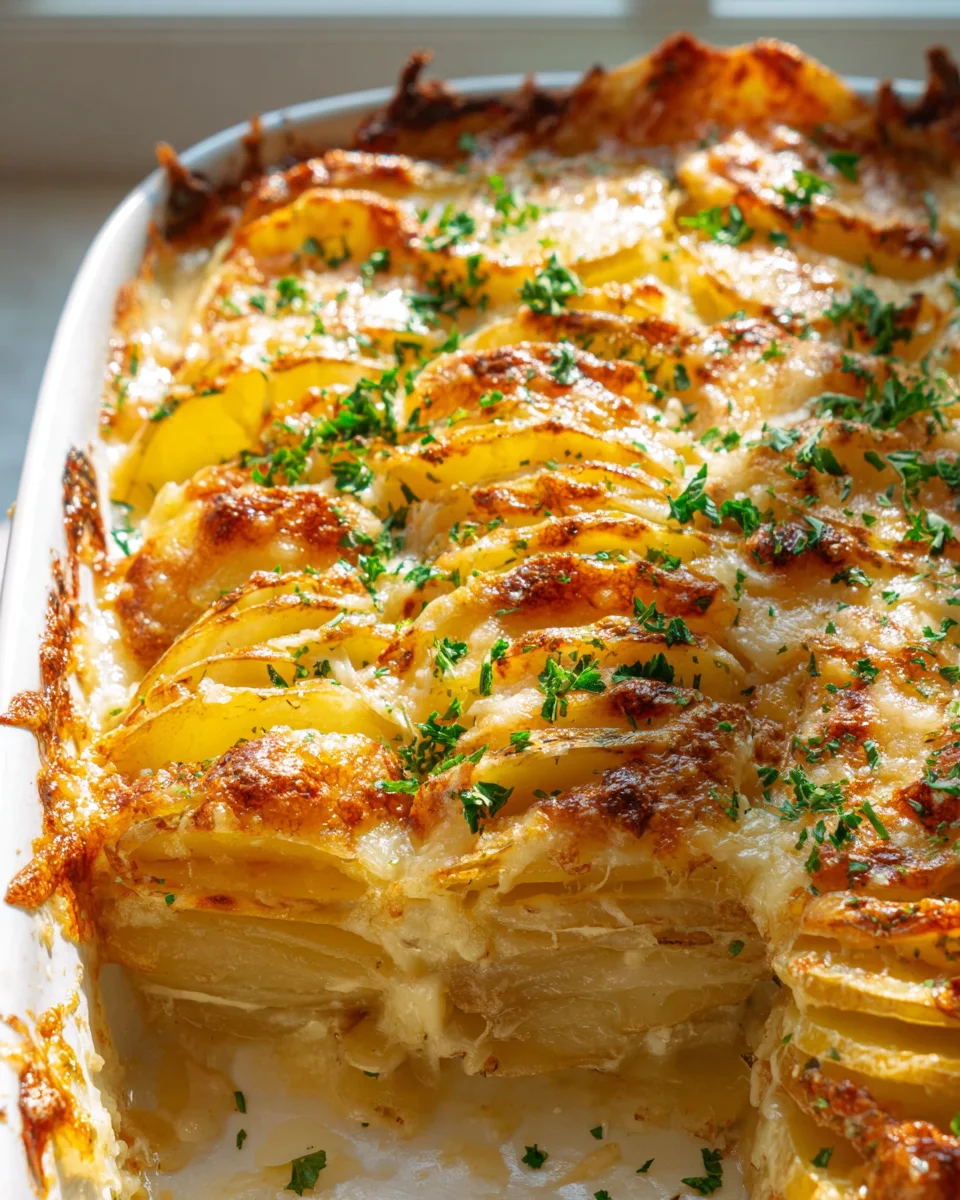
Well, my friend, we’ve reached the delicious culmination of our culinary journey with what I truly believe is the absolute best recipe for Scalloped Potatoes you’ll ever encounter. If you’ve been following along, you already know this isn’t just any potato dish; it’s a symphony of creamy, tender potato slices bathed in a rich, aromatic sauce, all crowned with a golden, bubbly crust that crackles with every spoonful. I’ve poured my heart into perfecting this particular method, ensuring that each layer contributes to an unparalleled textural and flavor experience. From the careful slicing of the potatoes to the gentle simmering of the seasoned cream, every step is designed to deliver maximum impact with surprisingly minimal fuss. This isn’t just a side dish; it’s a showstopper, a comforting embrace, and a guaranteed crowd-pleaser that will have everyone asking for the recipe.
What makes these particular Scalloped Potatoes a must-try isn’t just their incredible taste, but their versatility and the sheer joy they bring to any table. They possess that perfect balance of being incredibly decadent yet approachable, elevating any meal from ordinary to extraordinary. Imagine the aroma filling your kitchen as they bake – that’s the promise of comfort and satisfaction waiting to be fulfilled. This recipe takes something inherently simple and, through a few thoughtful techniques, transforms it into a culinary masterpiece. It’s the kind of dish that disappears quickly at potlucks, becomes the centerpiece of holiday feasts, and makes a weeknight dinner feel like a special occasion. The tender potatoes melt in your mouth, while the creamy sauce coats your palate with savory goodness, and that crisp topping provides just the right amount of counterpoint. It’s a dish that truly feeds the soul.
Now, while these Scalloped Potatoes are perfect as they are, one of the greatest joys of cooking is personalizing a recipe to make it truly your own. For a classic pairing, serve them alongside a juicy roasted chicken, a succulent ham for your holiday spread, or a perfectly seared steak. They’re also absolutely divine with simple grilled fish or even as a hearty side to a vibrant green salad, making for a substantial vegetarian meal. If you’re feeling adventurous, don’t hesitate to experiment! You could stir in some crispy bacon bits or diced ham into the cream sauce for an extra layer of savory depth. For a touch of sophistication, try incorporating some finely minced shallots or a hint of fresh thyme or rosemary. A pinch of freshly grated nutmeg in the cream sauce also works wonders to enhance the overall flavor profile without being overtly dominant. Or, perhaps you fancy a different cheese – swap out some of the traditional cheddar for nutty Gruyère, sharp Parmesan, or even a smoky gouda to give it a unique twist. The possibilities are truly endless!
For those looking to prepare ahead, this dish is wonderfully forgiving. You can assemble the entire casserole the day before, cover it tightly, and refrigerate it. Just remember to let it come closer to room temperature before baking, and you might need to add a few extra minutes to the baking time to ensure it heats through completely. Leftovers, if you’re lucky enough to have any, reheat beautifully in the oven, retaining much of their creamy texture and delicious flavor. Imagine having a ready-made comforting meal waiting for you after a long day – pure bliss!
So, what are you waiting for? This is your invitation to step into the kitchen and create something truly spectacular. I wholeheartedly encourage you to try this Scalloped Potatoes recipe. Don’t be intimidated; the steps are straightforward, and the reward is immense. You’ll be amazed at how easily you can create such a comforting and impressive dish. And once you’ve experienced the magic of these creamy, dreamy potatoes, please, please share your experience with me! I absolutely adore hearing about your kitchen adventures. Did you add a unique ingredient? Did your family rave about it? Snap a photo, leave a comment, or share your tips and variations. Let’s build a community around the joy of cooking and sharing delicious food. I can’t wait to hear how much you loved them. Happy cooking!
Classic Scalloped Potatoes Recipe – Easy & Creamy Side!
Scalloped Potatoes are an incredibly irresistible dish featuring thinly sliced potatoes baked to golden perfection in a rich, creamy, often cheesy sauce. A true symphony of textures and flavors, this timeless classic is a cherished part of European and American cuisine, perfect for holiday feasts or comforting family dinners. Get ready to experience this heartwarming side dish!
Ingredients
Instructions
Important Information
Nutrition Facts (Per Serving)
It is important to consider this information as approximate and not to use it as definitive health advice.
Allergy Information
Please check ingredients for potential allergens and consult a health professional if in doubt.


Leave a Comment